









What Determines the Cost of a Home Battery Storage System?


Thinking about adding a battery to your home? Whether you want to store solar energy for nighttime use or keep essential appliances running during a power outage, understanding the cost is a good place to start.
The price of a home battery storage system depends on more than the battery itself. Storage capacity, inverter selection, installation, and local expenses can all affect the final cost.
So, what should you look at before choosing a system? Here are the main factors that determine home battery storage cost and how to find an option that fits your needs.
What Makes Up the Cost of a Home Battery Storage System?
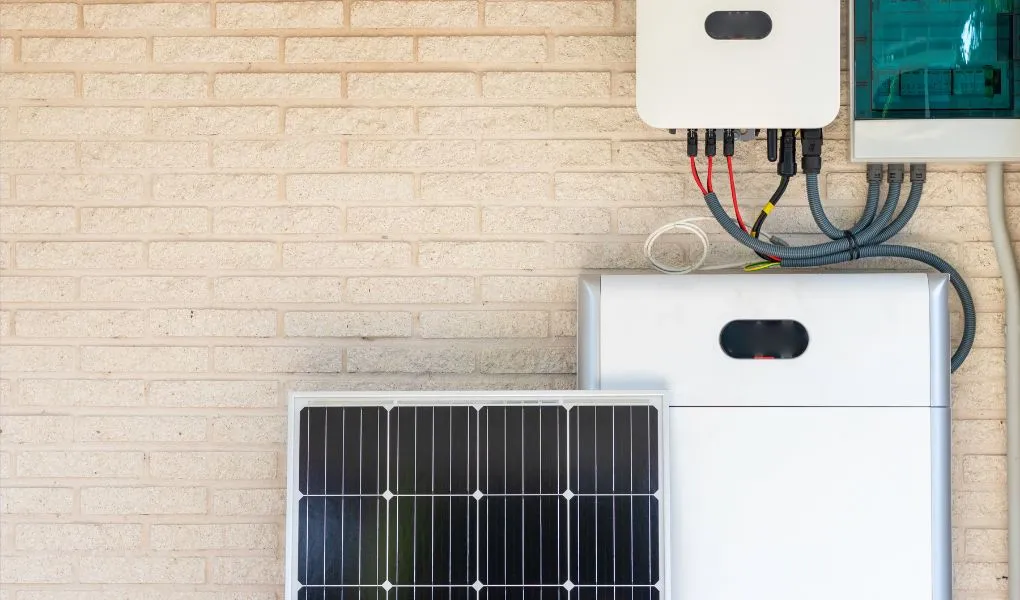
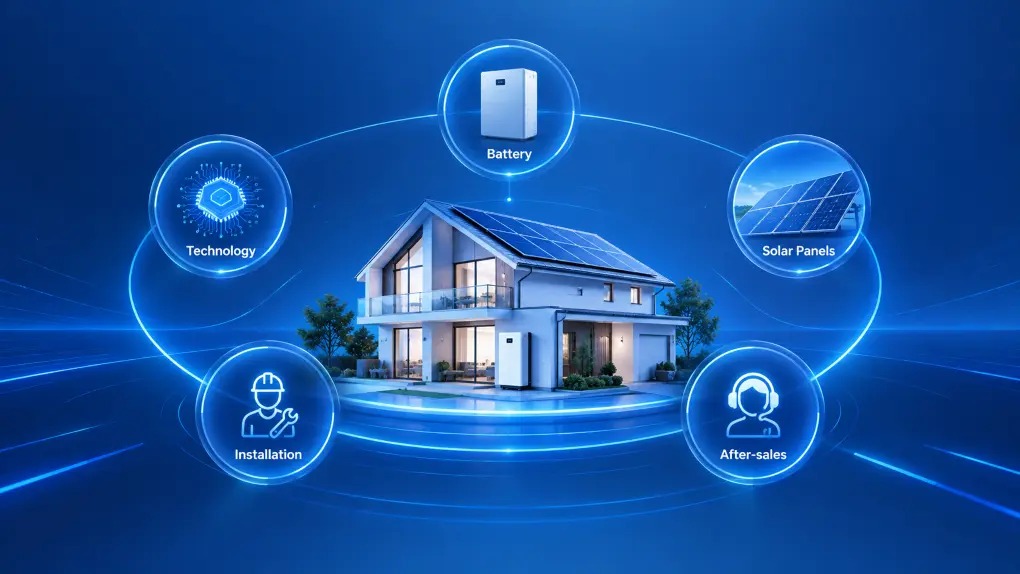
A complete home energy storage system usually includes a battery, an inverter, supporting electrical equipment, and installation. Knowing what each part does can help you understand what you are paying for.
Battery
The battery stores electricity for later use. It is often one of the biggest parts of the system cost.
Batteries come in different capacities and designs. A system designed to power a few essential appliances will generally require less storage than one intended to support a larger household for longer periods.
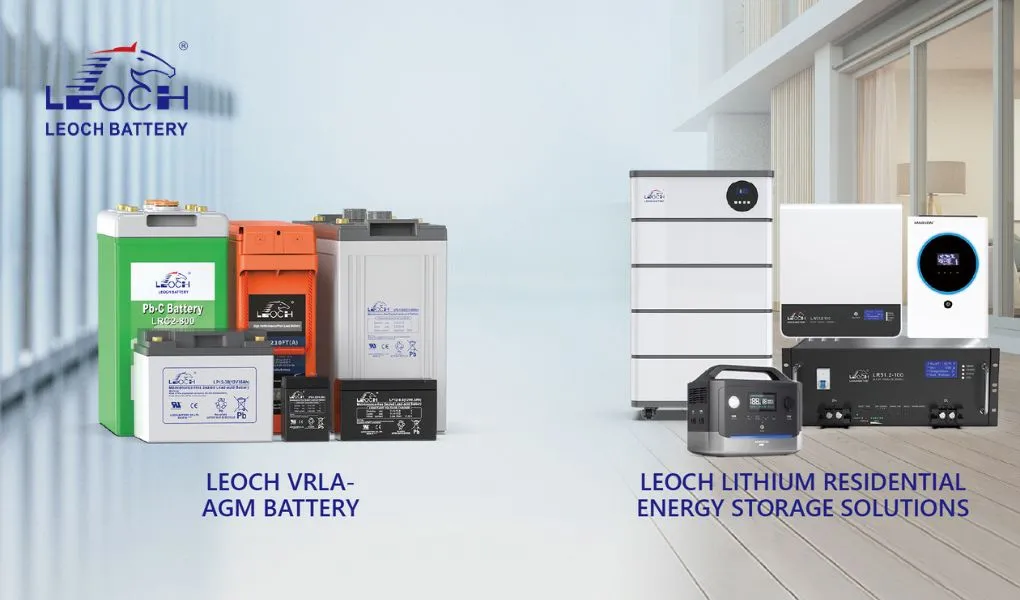
LEOCH offers different residential battery options, including wall-mounted, rack-mounted, and floor-standing designs. Explore the LEOCH Residential Energy Storage Solution to see how different configurations can meet different household needs.
Inverter
The inverter converts electricity into a form that household appliances can use. Some systems use a hybrid inverter to manage both solar panels and battery storage, while others require separate equipment.
The right choice depends on your existing solar setup and how you plan to use the battery.
Other Equipment and Installation
Cables, safety devices, mounting equipment, and other accessories are also part of a complete installation. Labor costs may vary depending on the home, the existing electrical system, and the complexity of the work.
Shipping, taxes, permits, and local installation requirements can add to the final price as well. This is why a battery-only price may be quite different from the cost of a fully installed system.
Five Factors That Affect Home Battery Storage Cost
Once you understand the main components, the next question is why one home battery system may cost more than another.
How Much Energy Do You Need to Store?
Battery capacity is one of the main factors affecting cost. It is measured in kilowatt-hours (kWh) and indicates how much energy a battery can store.
Think about your daily routine. Do you only need backup for lights, Wi-Fi, and a refrigerator, or do you also want to run air conditioning and other larger appliances?
The more energy you need and the longer you want to use it, the more storage capacity you may require. However, buying the largest battery available is not always the best choice. Start with your actual electricity use and backup needs to avoid paying for capacity you may rarely use.
For a closer look at the specifications that matter when choosing a battery, read LEOCH's guide to key metrics for residential energy storage systems.
Which Battery Technology Do You Choose?
Different battery technologies offer different combinations of cost, performance, and service life.
Lithium iron phosphate (LiFePO4 or LFP) batteries are widely used in residential energy storage. When comparing products, look beyond the initial price. Usable capacity, cycle-life specifications, protection features, and warranty terms can all help you understand what a battery offers.
The best option depends on your household's needs and the product's documented performance, rather than its price alone.
Does Your Home Already Have Solar Panels?
Your existing setup can make a difference to the total cost.
If you are installing solar panels and a battery together, you can choose equipment designed to work as one system. If you already have solar panels, you will need to check whether your current inverter can work with a battery or whether additional equipment is needed.
You should also consider what happens during a power outage. Not every solar installation automatically provides backup power, so check whether the system includes the equipment and functions needed to power your selected appliances.
Where and How Will the System Be Installed?
Installation costs vary from one location to another. Labor rates, shipping, import duties, taxes, and local requirements can all affect the final bill.
The home itself matters, too. An installation that works with existing electrical equipment may be simpler than one that requires upgrades or additional wiring.
Before comparing prices, check what each quotation includes. A lower equipment price may not mean a lower overall cost if important installation work or accessories are excluded.
What Do Warranty and After-Sales Support Include?
Two products with similar prices may offer different levels of warranty coverage and technical support.
Check how long the warranty lasts, what it covers, and whether any conditions apply. It is also worth considering how easily you can access technical assistance if something goes wrong.
These details may not change the initial price dramatically, but they can make a difference to your ownership experience over time.
Battery Price vs. Total System Cost
A battery price is not the same as the price of a complete home energy storage system.
For example, one quotation may cover only the battery, while another includes the inverter, accessories, and installation. Comparing the two totals directly would not give you a fair picture.
Before choosing a supplier, check whether the quotations cover the same things:
Battery capacity and usable energy
Inverter and other required equipment
Installation and electrical work
Warranty and technical support
Shipping, taxes, and other additional charges
A clear, itemized quotation makes it easier to understand where your money goes and spot costs that may otherwise be overlooked.
How Can You Get Better Long-Term Value?
The lowest upfront price is not necessarily the best deal. A home battery is a long-term investment in how you store and use electricity, so it helps to consider how well the system will serve you over time.
Look at usable energy, not just advertised capacity. Check how much stored electricity you can actually use.
Compare efficiency and cycle-life specifications. These help you understand how the system performs and how the battery is rated to operate over repeated charging and discharging.
Read the warranty carefully. Check the coverage period, conditions, and any stated capacity-retention commitments.
Choose a system that fits your needs. A battery that is too small may not provide enough backup, while an oversized system can increase your upfront spending unnecessarily.
If you plan to use solar panels, consider when you generate electricity and when your household needs it. This can help you choose a capacity that makes practical sense for your daily routine.
How Do You Choose the Right Home Battery Storage System?
Choosing a home battery storage system does not have to be complicated. Start by answering three basic questions:
How much electricity does your household use?
Which appliances do you need to power, and for how long?
Will the battery work with your existing solar panels and electrical equipment?
With these answers, you can compare suitable system options and request quotations based on the same requirements.
Remember to consider the complete cost, including equipment, installation, warranty, and support—not just the battery price.
LEOCH offers residential energy storage options in different designs and capacities. Visit the LEOCH Residential Energy Storage Solution page to explore available systems and find an option suited to your energy needs.
The goal is simple: find a system that meets your energy needs, fits your budget, and offers the right balance between upfront cost and long-term value.


Related News



Looking for a Reliable Global Energy Partner?
Connect with our global team to design a custom energy solution for your next project.