







Renewable Energy Solution
Store renewable energy with batteries matched to cycling frequency, required autonomy, site conditions and maintenance strategy.
Turning Variable Generation into Dependable Power
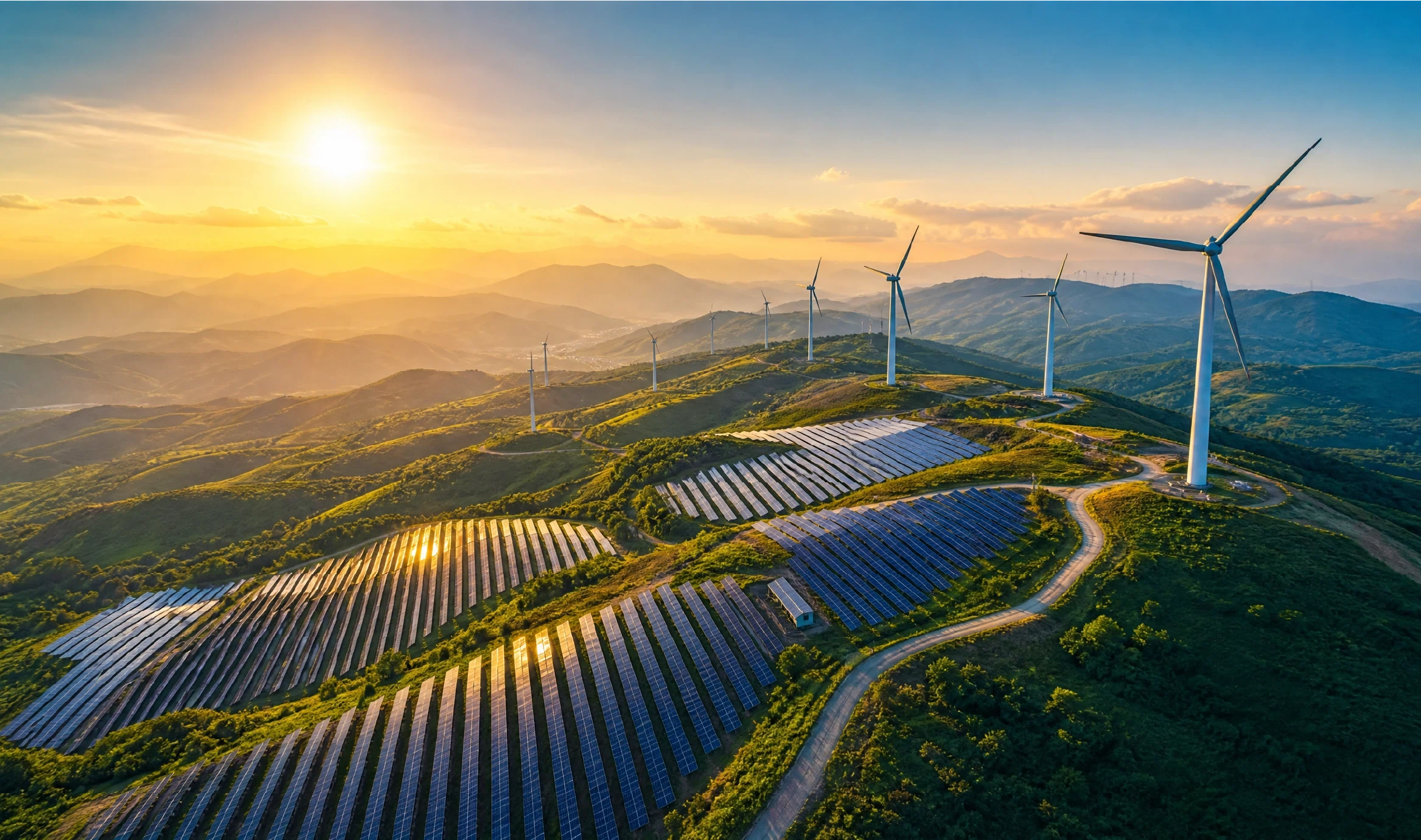
Solar and wind generation change with the weather, but connected loads need power on their own schedule. From an off-grid telecom site to a community microgrid, the battery must withstand repeated charging and discharging, provide sufficient autonomy and continue operating under the site's environmental and maintenance conditions. While lithium technology leads many high-density and intelligent energy storage projects, application-matched lead-acid batteries remain a practical choice for renewable systems prioritizing proven performance, project economics, long-duration capacity or serviceable operation.
LEOCH offers hybrid gel, gel, tubular gel, tubular flooded and lead-carbon technologies for different cycling profiles and deployment requirements—helping developers, EPC contractors and system integrators build reliable storage around the real demands of each renewable energy project.
Different Renewable Systems. Different Battery Demands.
Explore LEOCH Renewable Energy Portfolio
-

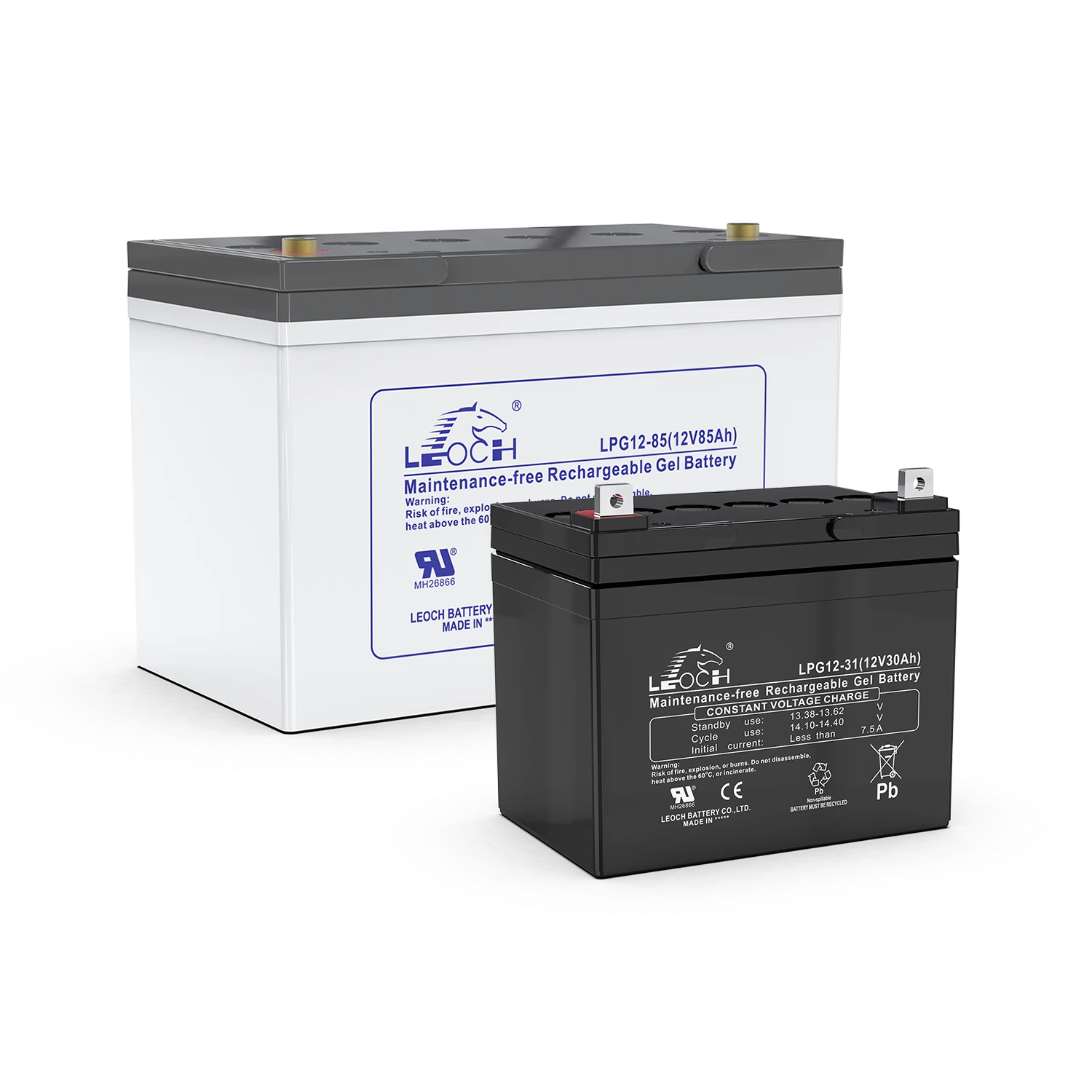
Gel LPG & LPFG Series
Offers long-discharge performance, deep-discharge recovery, and broad capacity coverage for equipment and auxiliary systems requiring dependable energy delivery.
-
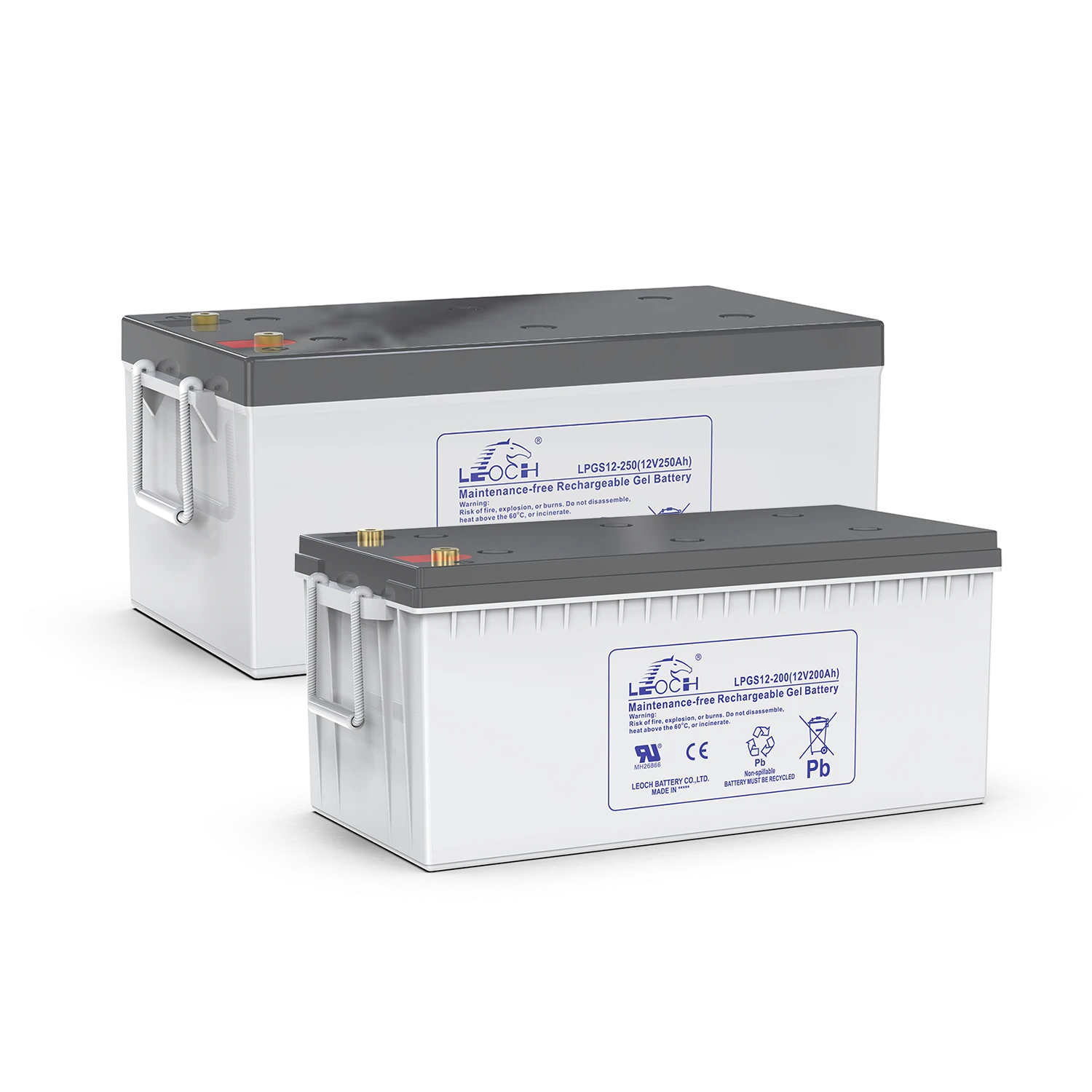
Hybrid Gel LPGS(DCA) Series
AGM-GEL technology combines strong deep-discharge recovery, low self-discharge and fast recharge capability for renewable systems operating under variable charging conditions.
-
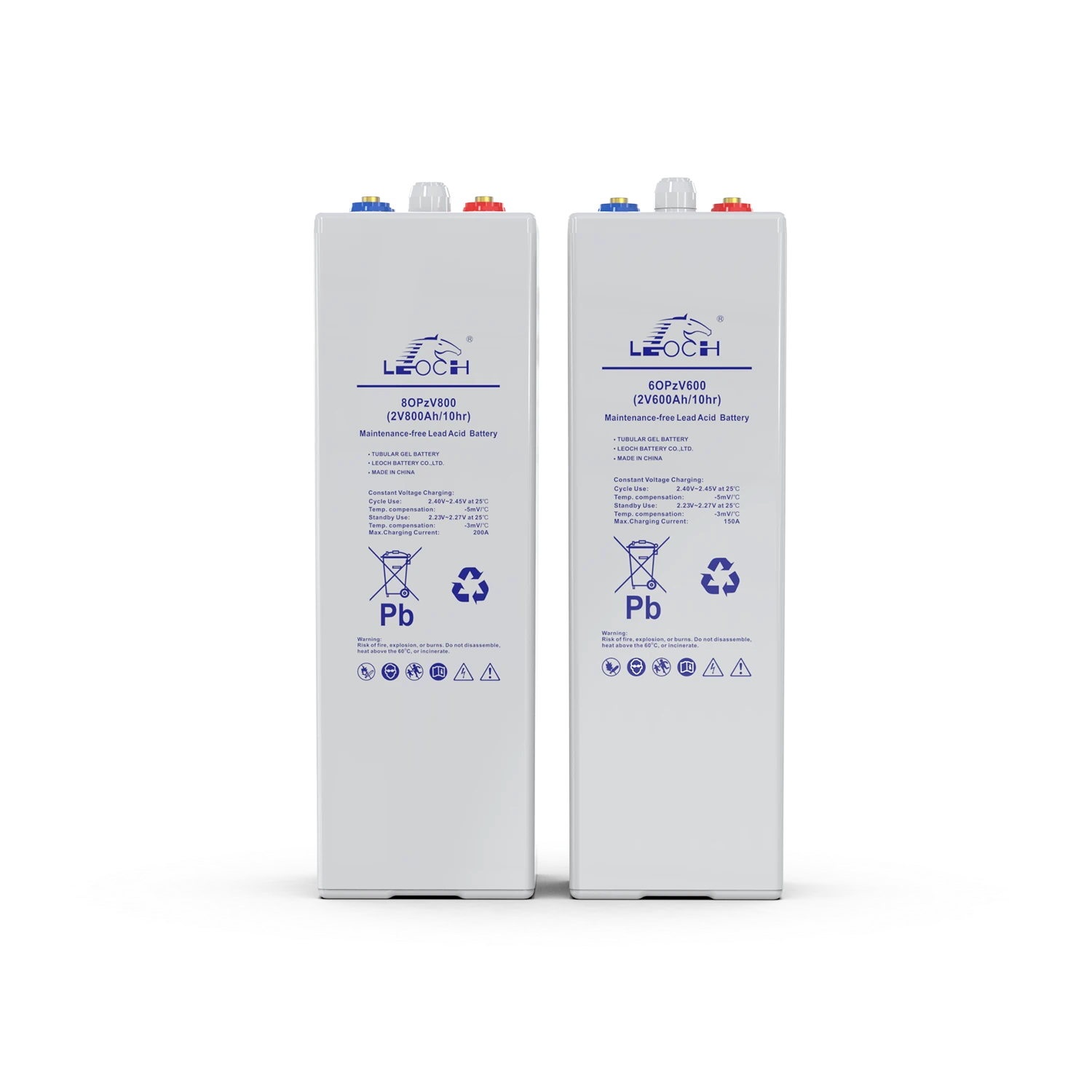
Tubular Gel OPzV Series
Tubular positive plates and gel electrolyte support deep-cycle performance, high-capacity storage and long-duration operation without routine water addition.
-
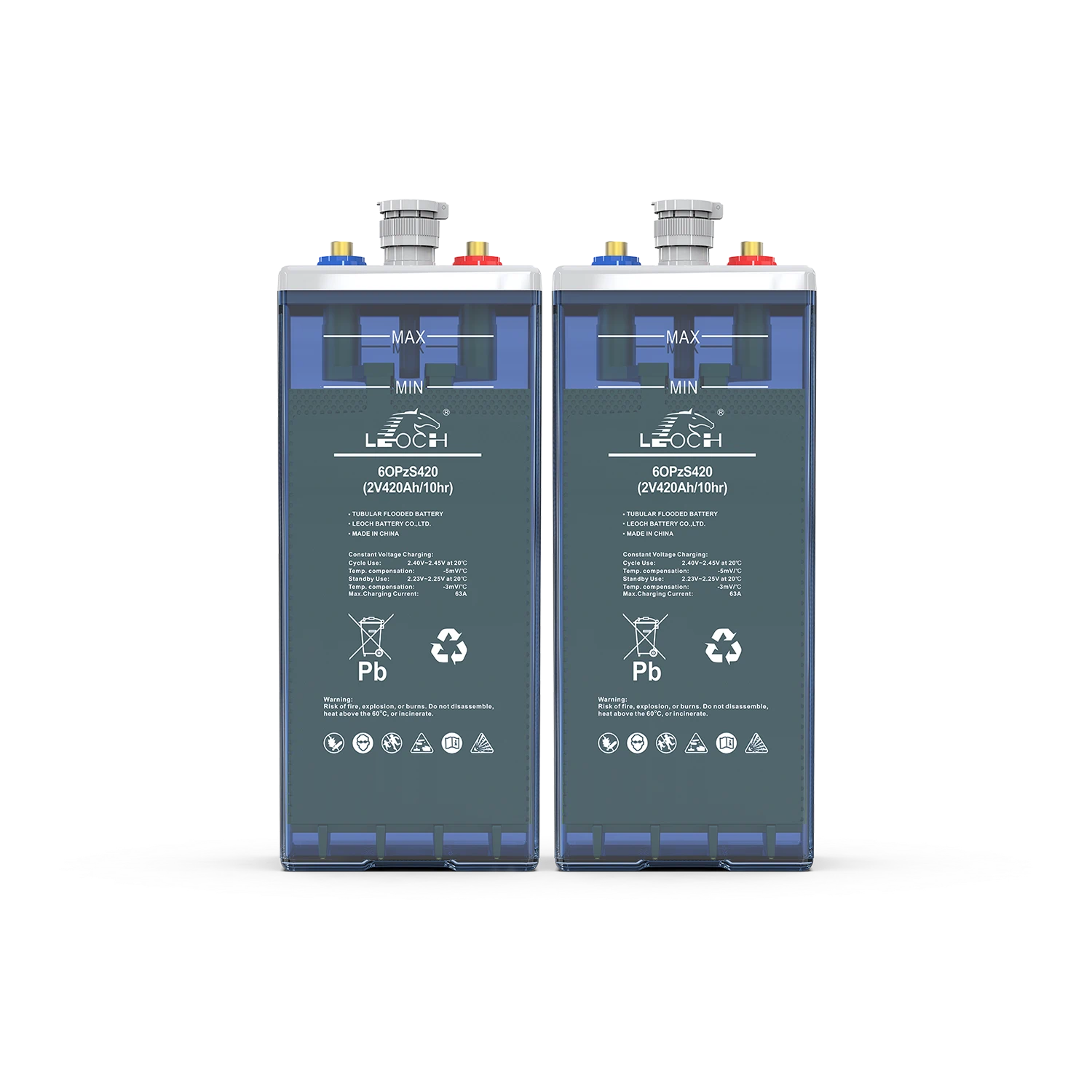
Tubular Flooded OPzS Series
Flooded tubular technology delivers dependable deep-cycle and long-duration performance for stationary renewable systems supported by planned inspection and maintenance.
-
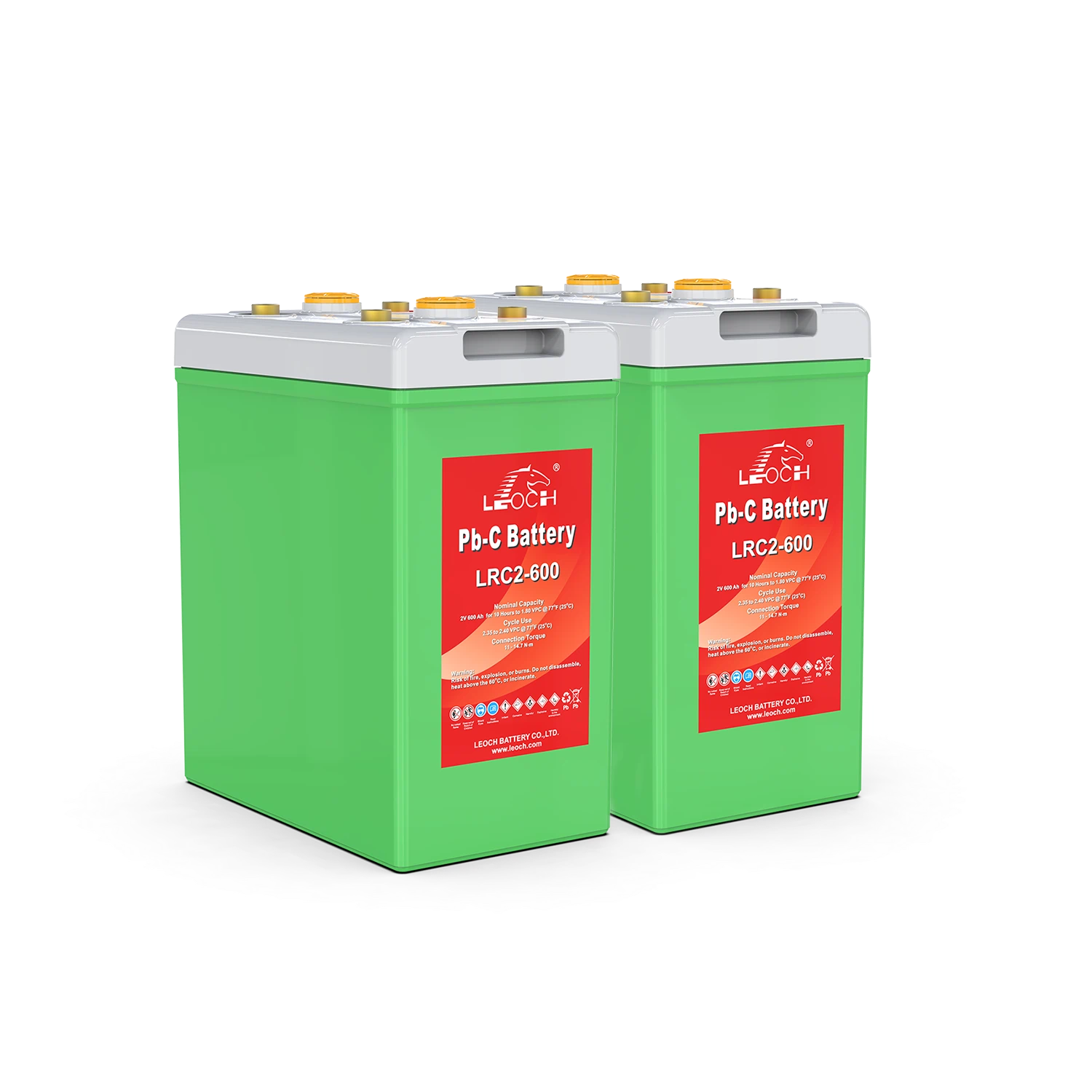
Lead Carbon LRC Series
Super Carbon and deep-cycle technologies provide strong charge acceptance and Partial State of Charge performance for renewable systems exposed to frequent or incomplete charging cycles.
Powering Renewable Systems Beyond Generation Hours
-

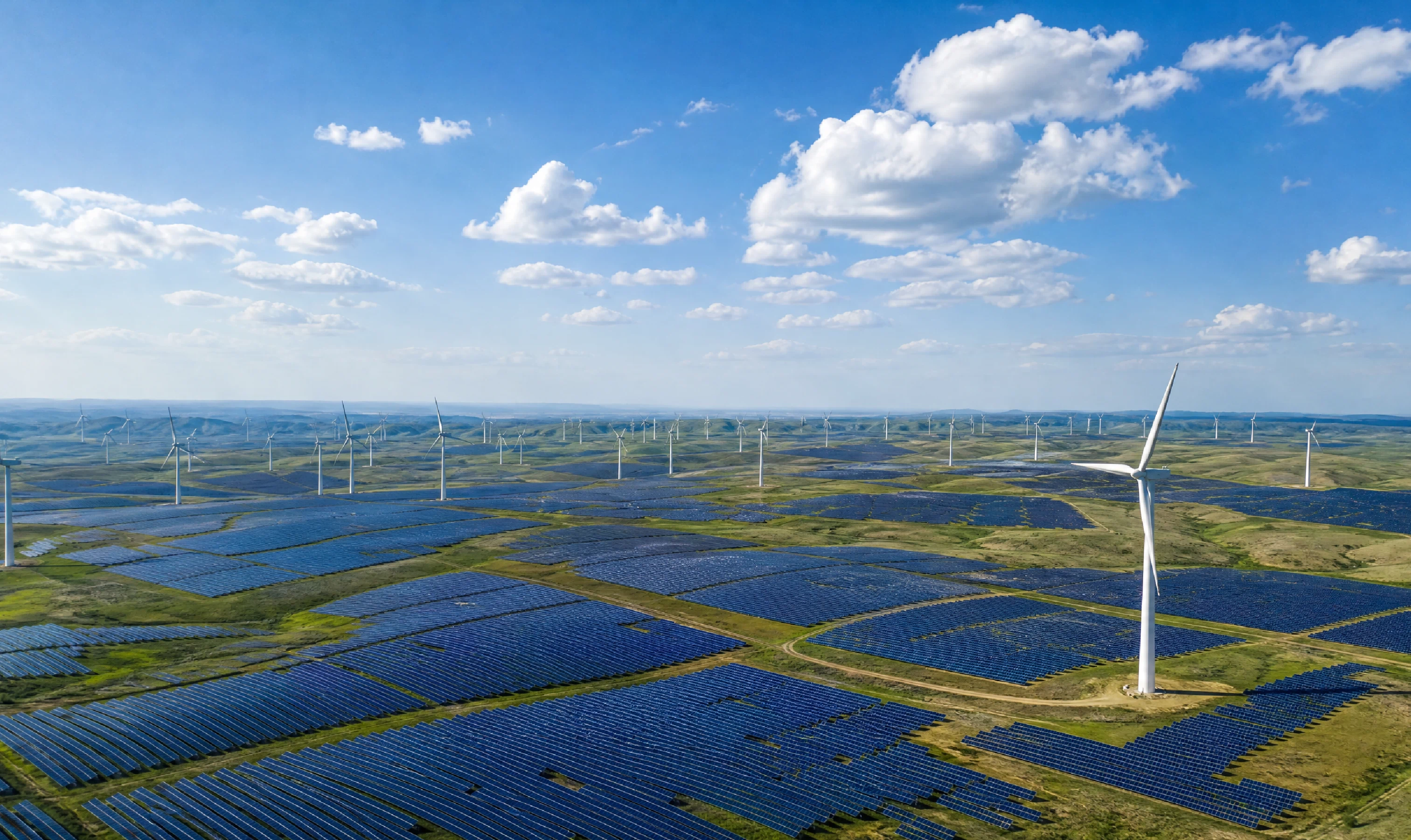
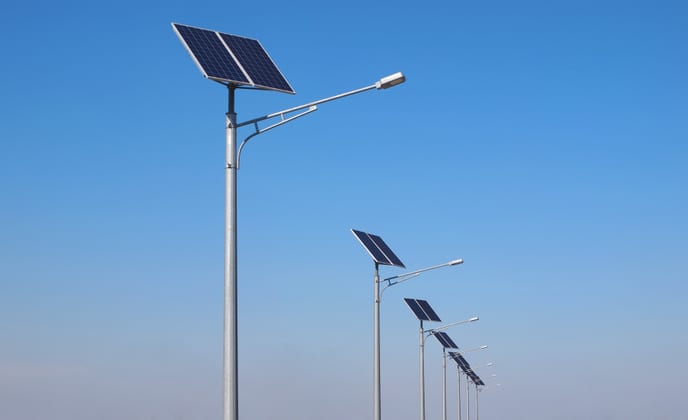
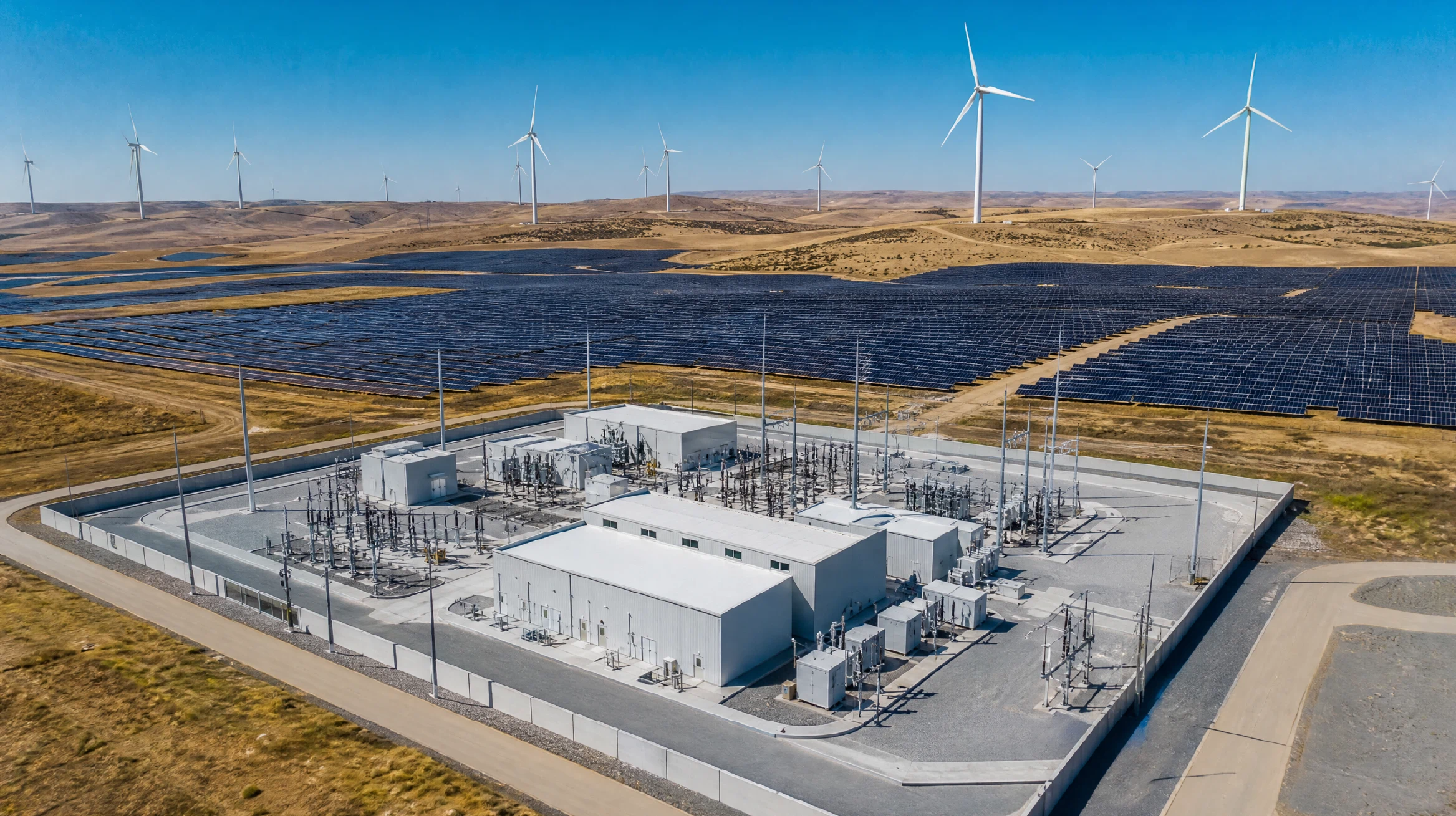
Solar & Wind Energy Systems
Store variable renewable generation for use during low-generation periods, at night or when the primary power source is unavailable.
-

Remote & Off-Grid Telecom Sites
Cycle-capable power for base stations supplied by solar, wind, generators or hybrid systems where grid access and maintenance visits are limited.
-
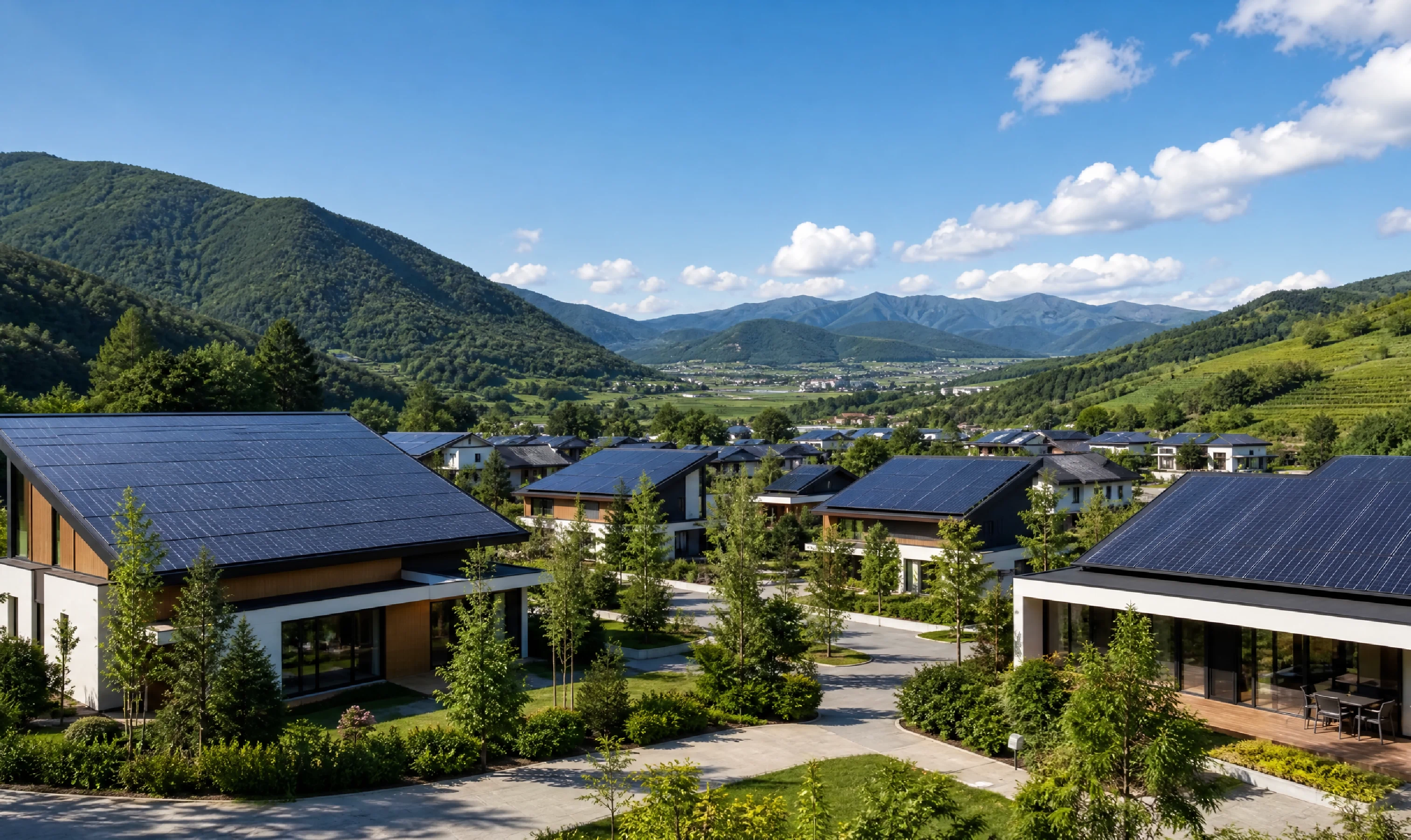
Residential & Community Systems
Battery storage for selected off-grid homes, rural facilities and community power systems where reliable autonomy and project economics are priorities.
-
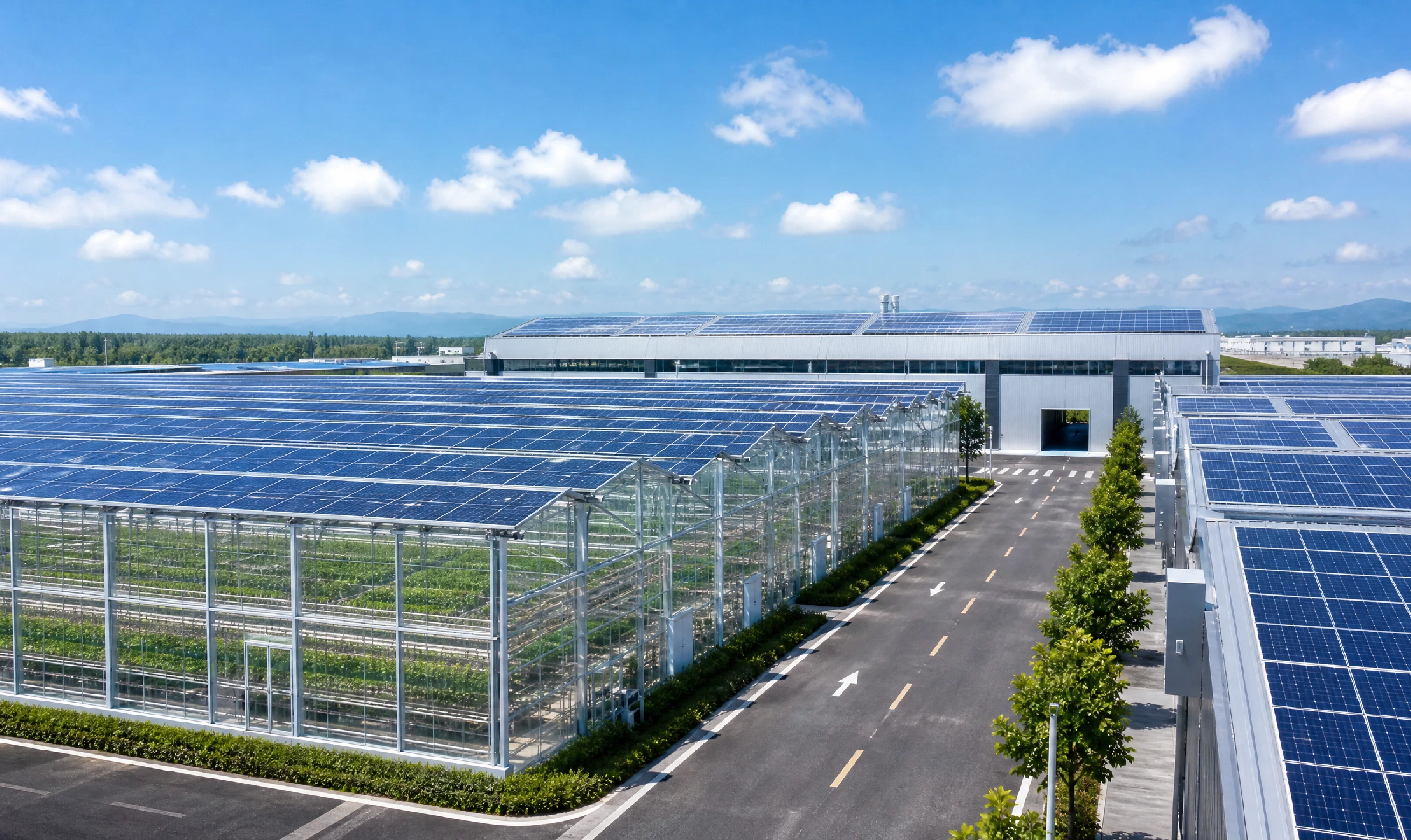
Commercial, Industrial & Agricultural Systems
Lead-acid storage for selected on-site renewable and hybrid power projects with clearly defined load, cycling and backup requirements.
-
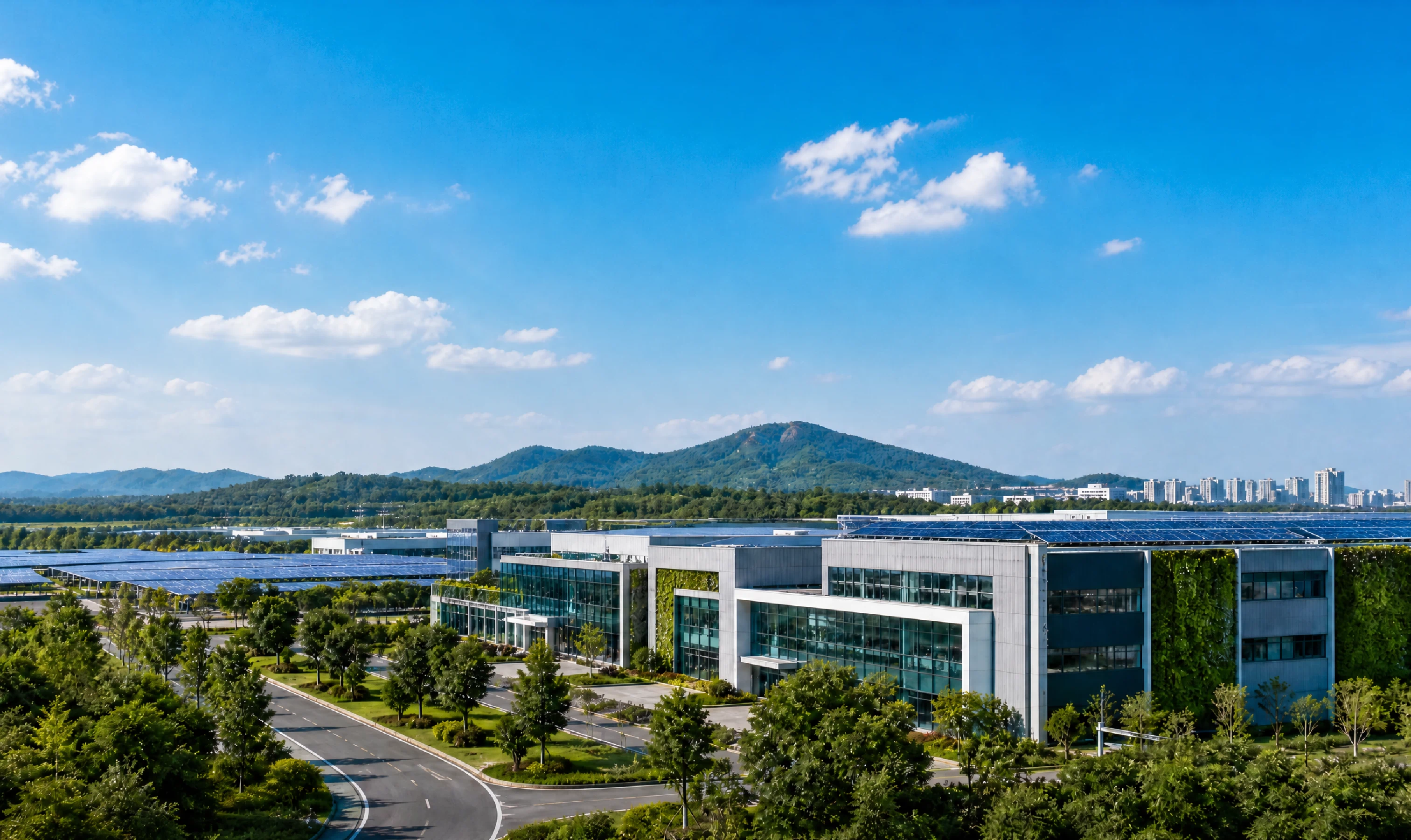
Microgrids & Hybrid Power Systems
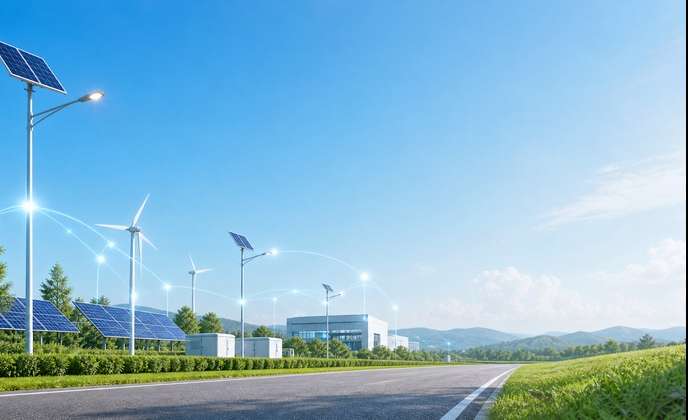
Support systems combining renewable generation, utility power and generators by storing excess energy and supplying loads when other sources are limited.

FAQs

Looking for a Reliable Global Energy Partner?
Connect with our global team to design a custom energy solution for your next project.