




Your privacy is very important for us. When you visit our website, please agree to the use of all cookies. For more information about the processing of personal data, please go to Privacy Policy.

floor-cleaning-machine-1920X540.webp

Floor Cleaning Equipment Battery Solution

Keep every cleaning shift moving with dependable runtime and power matched to each machine.
floor-cleaning-machine 1.webp

Reliable Power Behind Every Cleaning Shift

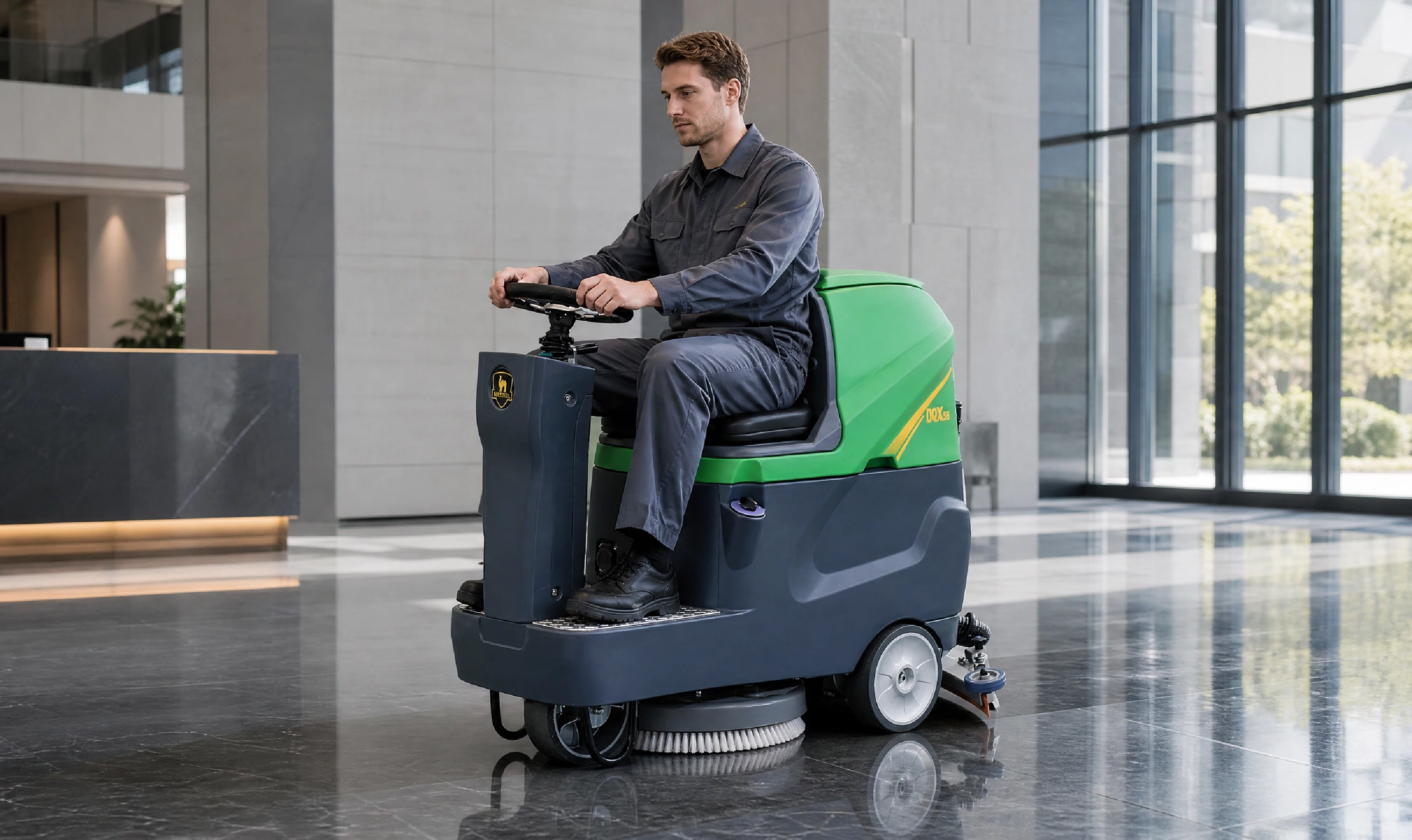
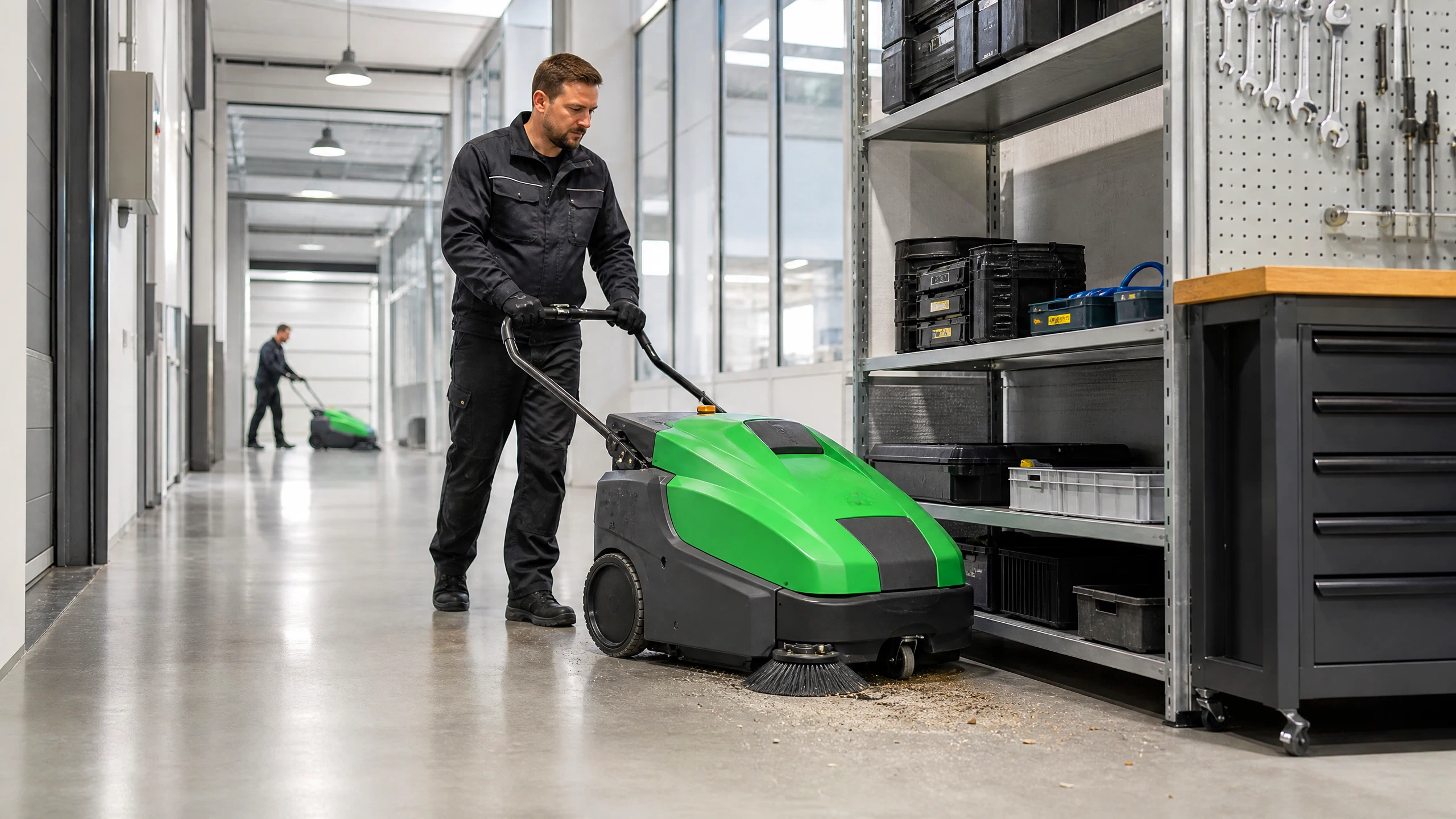
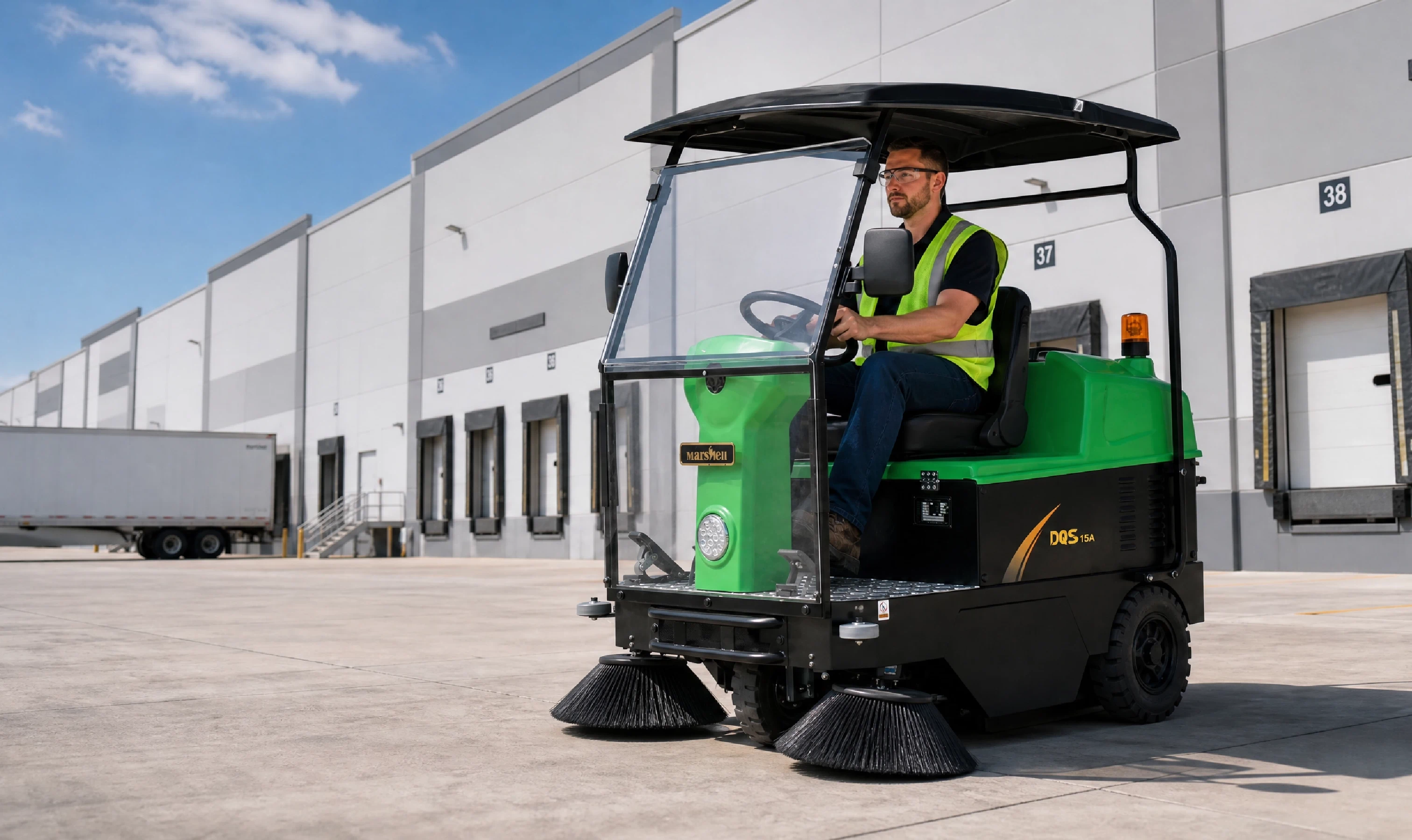
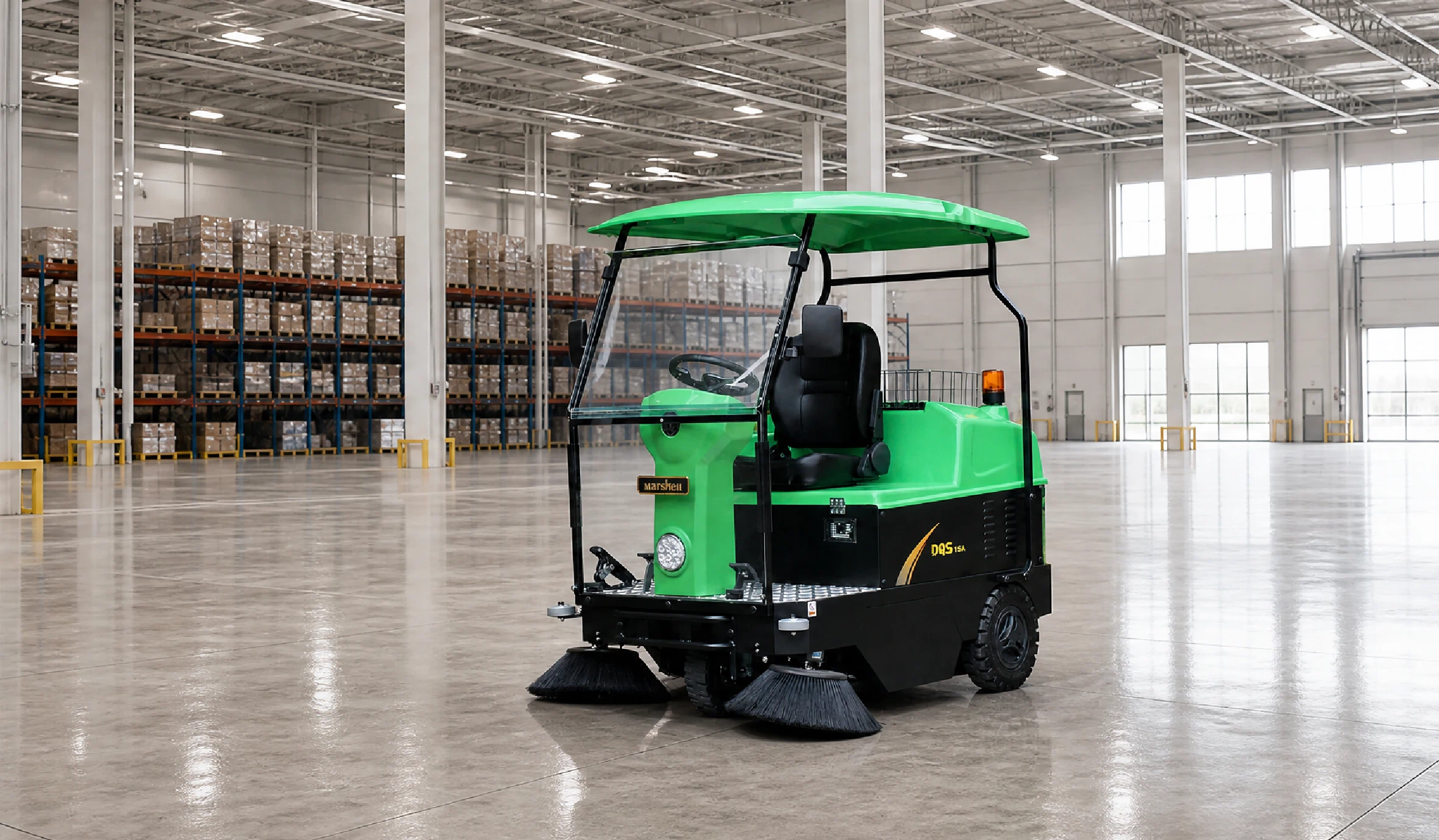
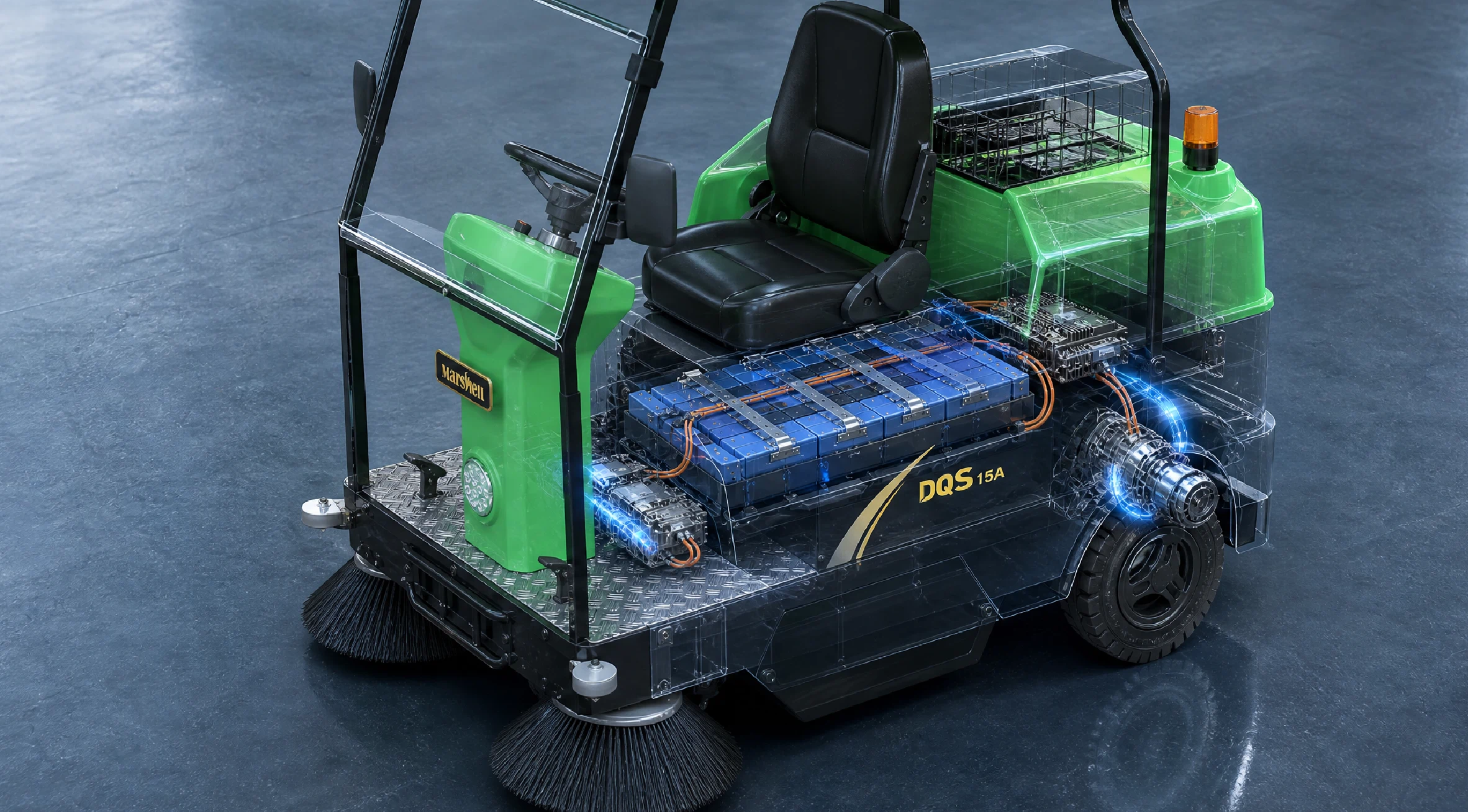
Professional floor cleaning is often scheduled within tight operating windows, so a machine that stops early can leave areas unfinished and disrupt the next shift. Its battery must power traction, brushes, vacuum motors, pumps and onboard controls while handling frequent stops, turns and changes in floor resistance. A compact walk-behind scrubber used once a day and a large ride-on sweeper operating across multiple shifts place very different demands on runtime, discharge rate and charging.

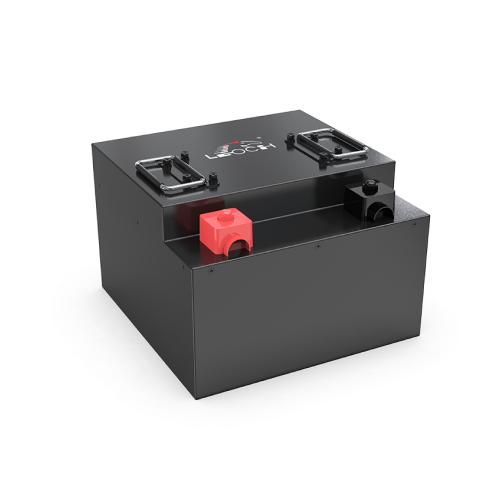
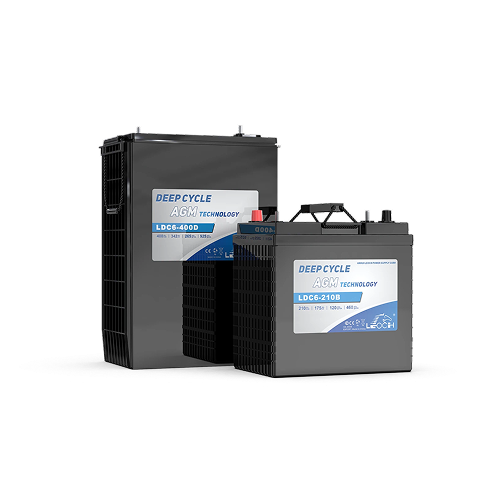
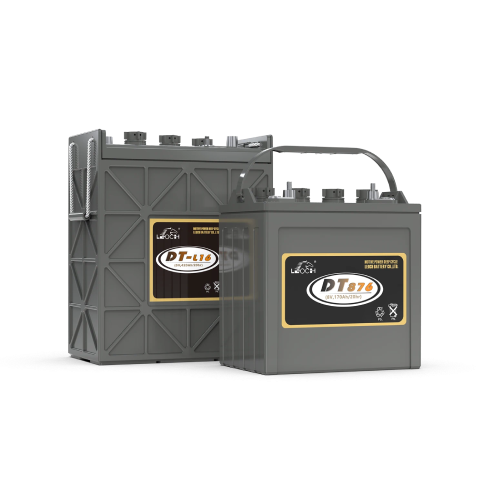
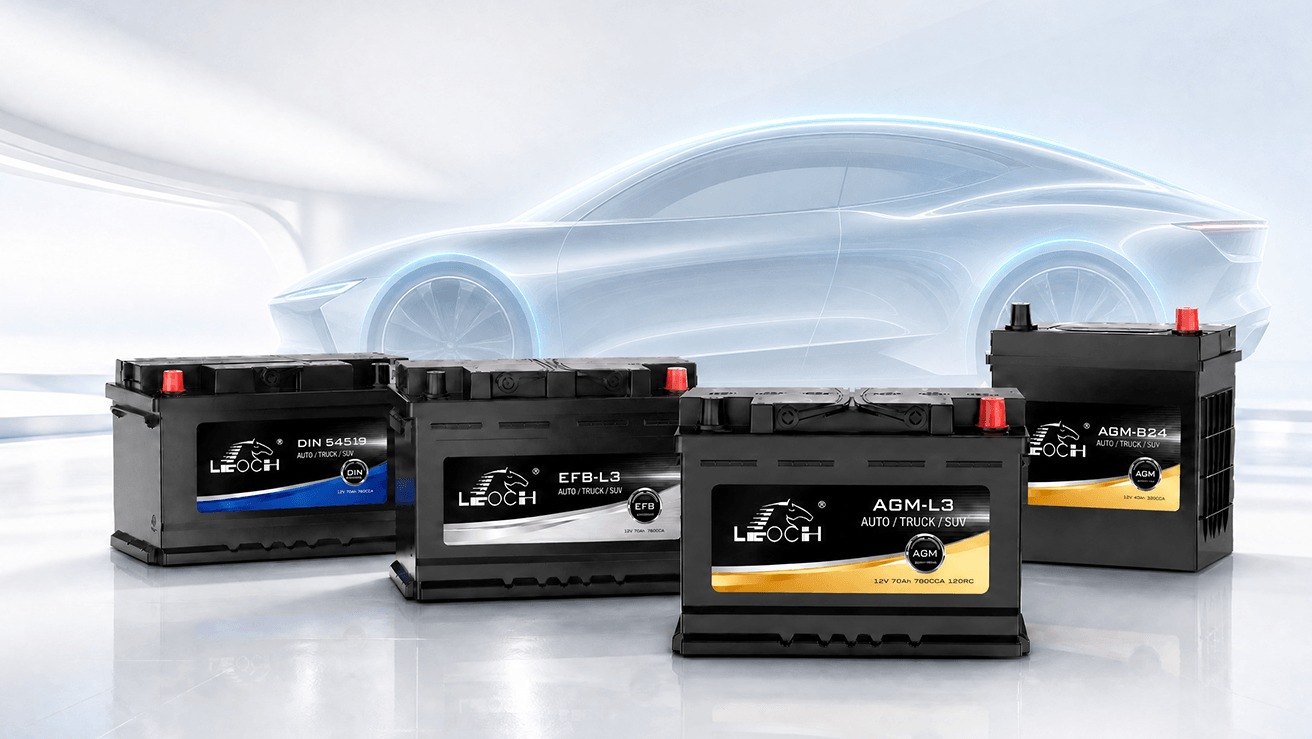
LEOCH addresses these requirements with lithium, maintenance-free AGM-GEL, patented carbon nanotube and rugged flooded deep-cycle technologies. By matching battery chemistry, voltage, capacity, discharge performance and charging profile to the machine and its working schedule, LEOCH helps equipment manufacturers, distributors and cleaning fleets maintain consistent performance across commercial, healthcare, transport and industrial facilities.


Designed Around the Complete Cleaning Cycle
  • Complete the Planned Cleaning Area

    Application-matched capacity and discharge performance help machines cover scheduled floor areas without avoidable interruptions for recharging.

  • Power Every Machine Function

    Stable energy delivery supports traction, brushes, vacuum systems, pumps and controls as loads change throughout the cleaning cycle.

  • Recharge Around the Working Schedule

    Lithium and carbon nanotube technologies provide enhanced charge acceptance for fleets working with overnight charging, shift changes or shorter turnaround periods.

  • Maintenance That Fits the Facility

    Lithium and AGM-GEL options simplify routine battery care, while flooded batteries suit fleets with established inspection and watering programs.

floor-cleaning-machine 2.webp

Power for Every Scale of Floor Care

  • floor-cleaning-machine 7.webp
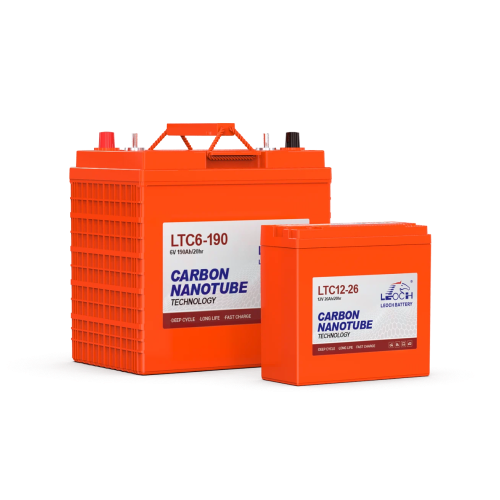
  • Cleaning equipment may be discharged repeatedly and recharged during short overnight periods or between scheduled shifts. When batteries are not fully restored, conventional lead-acid performance can decline more quickly. LEOCH’s patented Carbon Nanotube Technology improves conductivity and charge acceptance, while advanced alloy and nanoscale silicon technologies help strengthen corrosion resistance, improve electrolyte utilization and reduce stratification. Applied in the LTC Series, these enhancements support longer cycle performance and more effective energy recovery for frequently used floor cleaning equipment.

01 / 03

FAQs

  • Q. Does a shallower depth of discharge always extend battery service life?

    Not exactly. While shallow discharge causes less instantaneous damage to battery plates, persistent partial discharge leaves large portions of active materials unreacted inside the cells, which tends to trigger irreversible sulfation. Progressive sulfation gradually reduces usable battery capacity and degrades runtime performance.

  • Q. What maintenance steps are required for batteries if equipment will be out of service for a long period?

    Fully charge the batteries prior to long-term storage. Perform a supplementary top-up charge once every month during storage. If the equipment is fitted with a master disconnect switch, turn it off to cut no-load circuit and minimize standby self-discharge loss.

  • Q. Can the original charger be reused when replacing flooded batteries with AGM batteries or vice versa?

    They are not interchangeable. Flooded batteries require a higher charging voltage. If an original flooded-battery charger is used for AGM batteries, the excessive charging voltage will accelerate electrolyte dehydration and cause AGM cell bulging and premature failure. Conversely, when flooded batteries replace original AGM units, the AGM-specific charger delivers insufficient voltage to fully charge flooded batteries, leading to chronic undercharging and drastically shortened service life over time.

  • Q. Why will a lithium battery not charge—or appear fully charged but lose power quickly?

    Several issues can cause this behaviour. A large voltage difference between cells may trigger BMS protection and substantially reduce usable capacity. The BMS itself may also have a fault affecting cell balancing, charging or discharge control.

    A weakened cell with high internal resistance can limit the performance of the entire battery pack. An incompatible, aging or faulty charger may also prevent the battery from charging correctly. If the problem persists, stop using the battery and have the pack, BMS and charger inspected by a qualified technician. Do not bypass the BMS or continue operating a battery that overheats, swells or shows visible damage.

  • Q. Why are low-speed electric vehicles commonly powered by LiFePO₄ batteries?

    LiFePO₄ is widely used because it offers strong thermal stability, long cycle life and competitive lifecycle value. Its lower risk of thermal runaway makes it well suited to low-speed vehicles operating across uneven roads, frequent cycling and varied working environments.

    Compared with ternary lithium chemistries such as NMC, LiFePO₄ generally offers lower material costs and greater cycle endurance. Although ternary lithium can provide higher energy density and stronger low-temperature performance, these advantages are often less important in short-distance, low-speed applications where safety, durability and cost are the main priorities.


  • Q. What maintenance do low-voltage motive lithium batteries require?

    Always use a charger, wiring harness and connectors that match the battery specifications. Frequent high-current operation—such as prolonged climbing under maximum load or repeated hard acceleration—can accelerate cell aging.

    Store the battery in a cool, dry environment away from direct sunlight, rain and extreme temperatures. For extended storage, maintain approximately 50% state of charge, avoid leaving the battery below 20%, and check and recharge it at least every three months or according to the manufacturer's instructions. Charging conditions, discharge depth, operating temperature, load and storage state of charge can all affect service life.

  • Q. Can a low-voltage lithium battery directly replace a lead-acid battery?

    In many applications, a lithium battery with the same nominal voltage can replace an existing lead-acid battery, but compatibility must be confirmed first. Check the battery dimensions, mounting arrangement, terminal polarity, wiring, controller requirements, discharge current and communication interface where applicable.

    A compatible lithium battery charger must also be used, as lead-acid and lithium batteries require different charging profiles. Depending on the battery capacity, vehicle efficiency, payload and operating conditions, a suitable conversion may extend driving range while reducing weight, routine maintenance and the risk of acid leakage.

  • Q. How do low-voltage motive lithium batteries differ from high-voltage EV batteries?

    Low-voltage motive batteries commonly operate at 36V, 48V, 60V or 72V and are used in golf carts, sightseeing vehicles, forklifts, electric three-wheelers and similar equipment. Passenger EVs and electric trucks generally use high-voltage battery platforms operating at 300V or above.

    Because their voltage levels and vehicle architectures differ, low-voltage systems typically have a simpler electrical protection architecture. High-voltage EV batteries require additional safeguards such as high-voltage insulation monitoring, interlock circuits and comprehensive electrical isolation.

Looking for a Reliable Global Energy Partner?

Connect with our global team to design a custom energy solution for your next project.