










Passenger Vehicles & NEV Battery Solution
Reliable starting and stable low-voltage power for conventional, Start-Stop, hybrid and electric vehicles.
Powering Every Generation of Passenger Vehicle
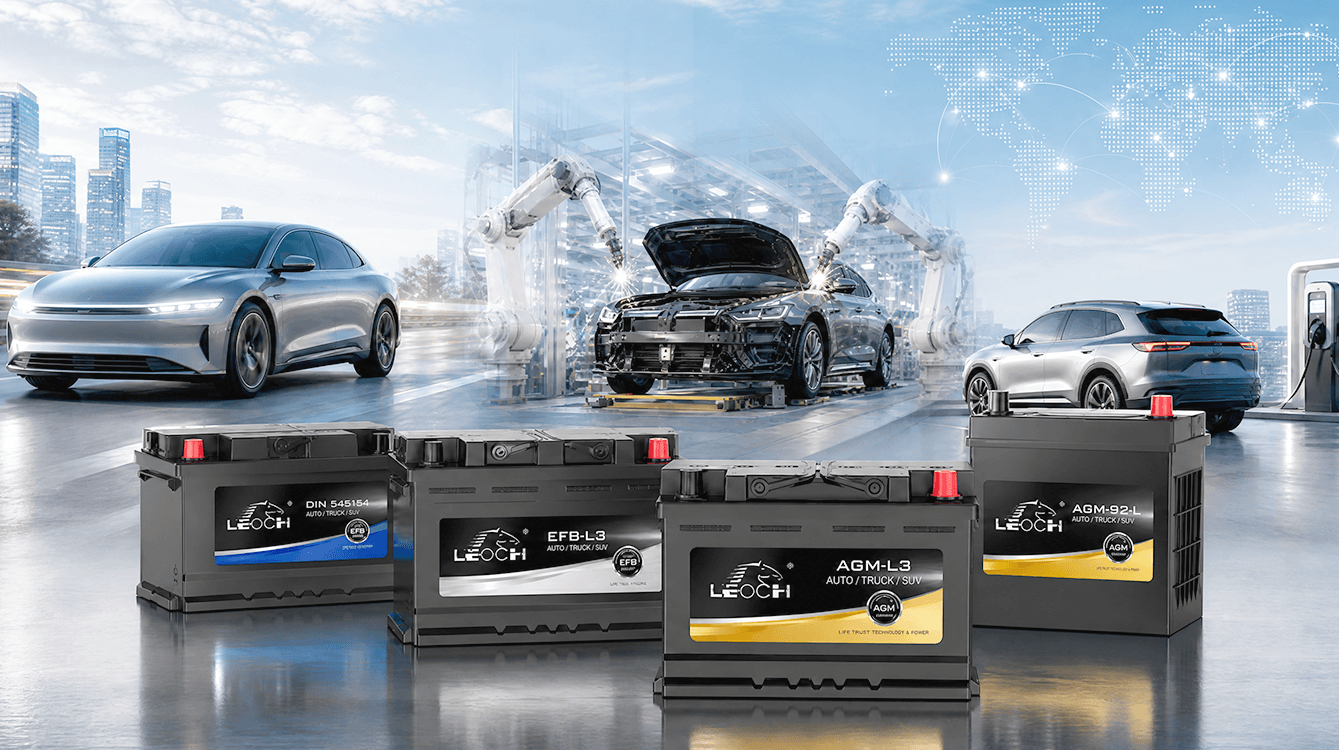
As vehicle architectures evolve, the demands placed on low-voltage batteries continue to grow. In conventional vehicles, the battery must deliver dependable cranking power and support lighting, ignition, and onboard electronics. Start-Stop platforms require stronger cycling performance, rapid charge acceptance and reliable power while the engine is off. In hybrid and electric vehicles, low-voltage batteries support control units, safety functions, communication systems and vehicle activation—even when propulsion comes from a high-voltage traction battery. As infotainment, comfort features and other onboard electronics increase electrical demand, selected vehicle platforms also use dedicated auxiliary batteries to maintain a stable power supply for secondary systems.
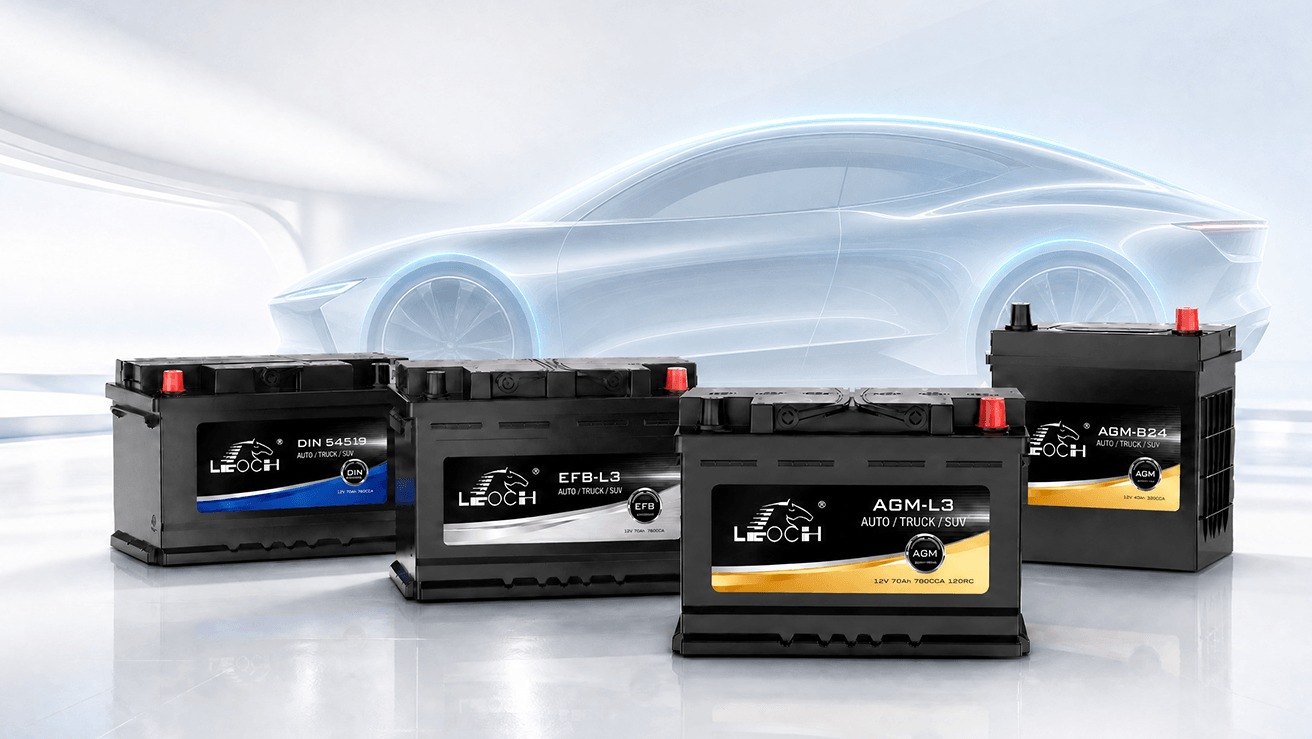
LEOCH addresses these diverse duties with AGM, EFB, maintenance-free flooded, high-temperature, auxiliary and dedicated NEV battery solutions for OEM and aftermarket applications worldwide.
Engineered for the Way Vehicles Use Power Today
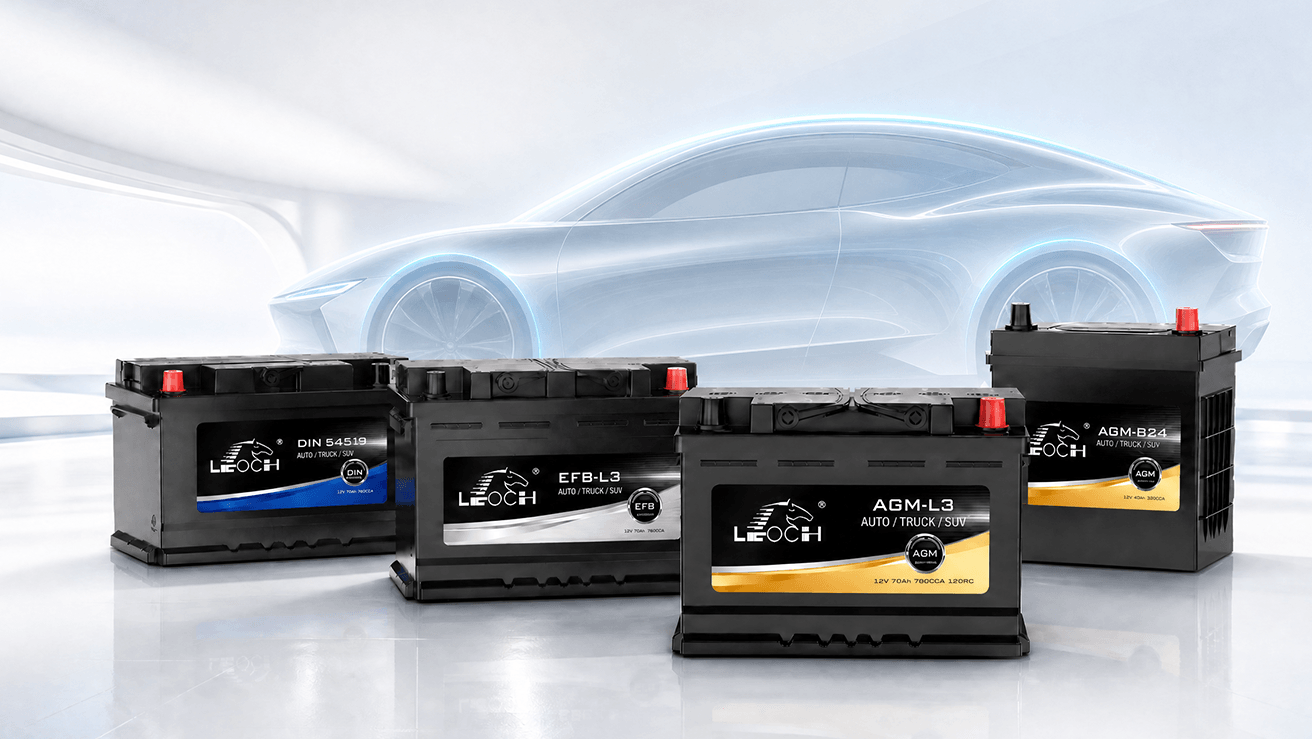
Explore LEOCH Passenger Vehicle Batteries
-

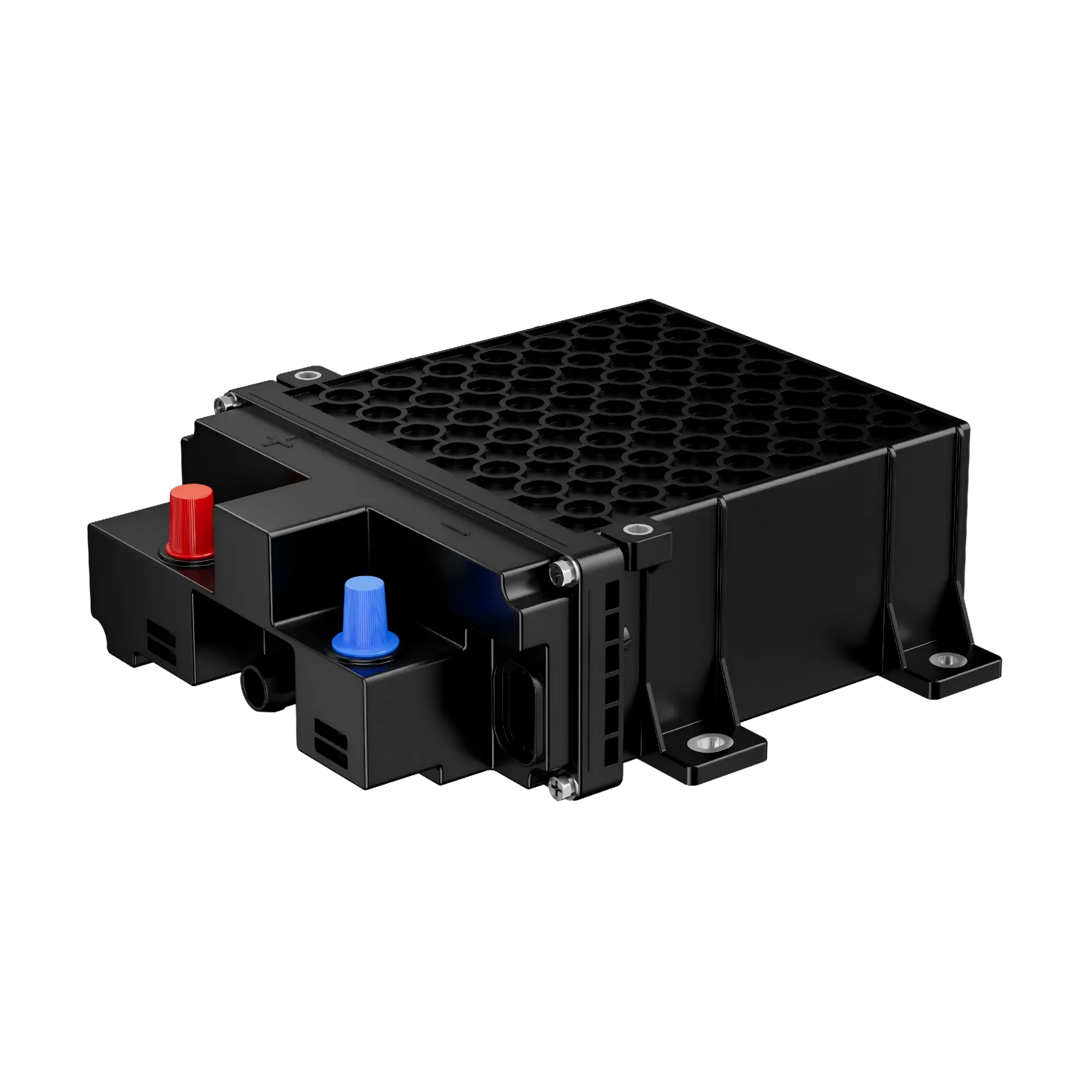
12V Low-Voltage Auxiliary Lithium Battery for NEVs
Purpose-built for 12V auxiliary systems in NEVs, it ensures reliable vehicle wake-up and power-on at low temperatures, with ASIL-B compliance, IP67 design, CAN/CAN-FD-enabled BMS, fault diagnosis and low-power latching protection, and over 5,000-cycle service life.
-
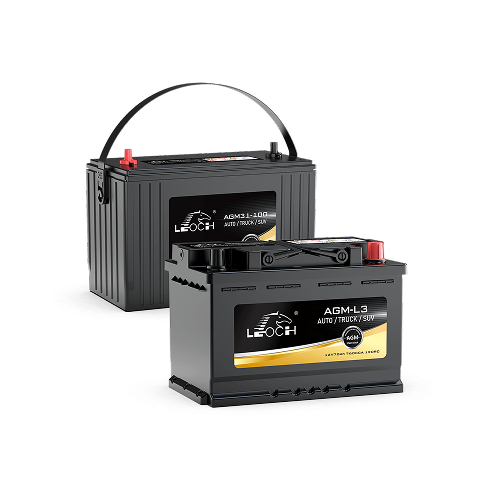
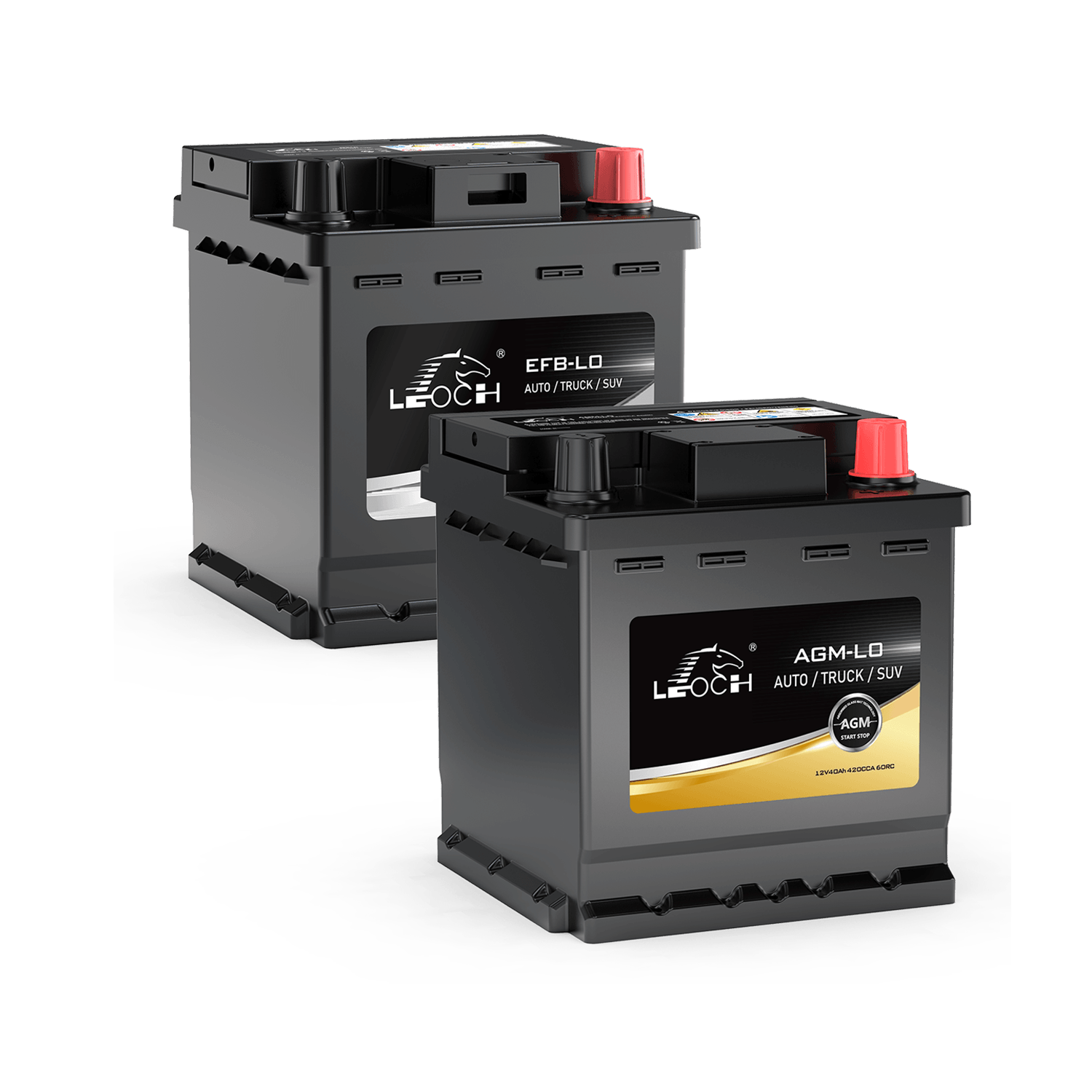
Automotive Start-Stop AGM Series
AGM tech delivers strong cranking performance, rapid charge acceptance, and enhanced cycling capability for vehicles with frequent Start-Stop operation, regenerative charging, and high onboard electrical demand.
-
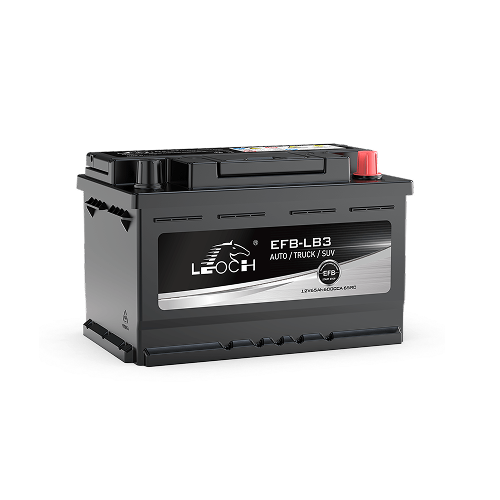
Automotive Start-Stop EFB Series
Enhanced Flooded Battery tech provides a cost-effective step up from conventional flooded batteries, with improved charge acceptance, cycling durability, and resistance to demanding operating conditions.
-
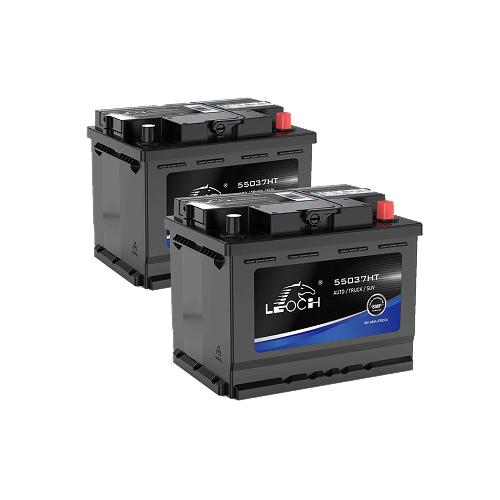
Automotive Starting High-Temp MF Series
High-tin alloys, thicker positive grids, heat-resistant paste formulations and an optimized venting design help reduce the battery-life impact of sustained high-temperature operation.
-
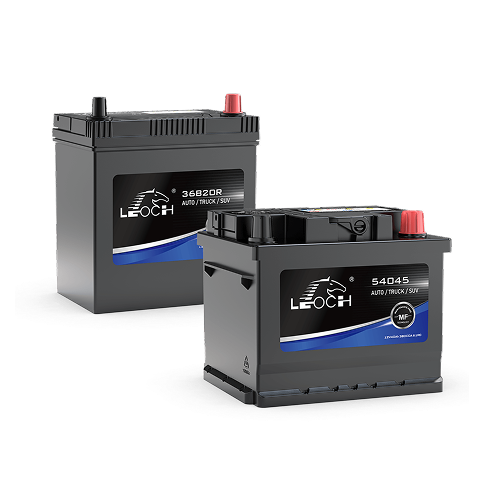
Automotive Starting MF Series
A broad range of maintenance-free flooded batteries delivers reliable Starting, Lighting and Ignition performance for conventional vehicle platforms and replacement markets.
-
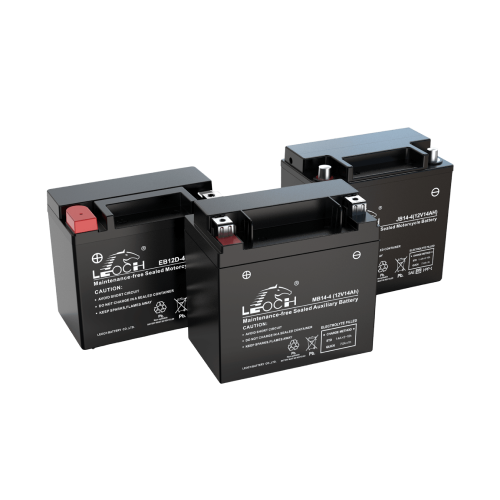
Automotive Auxiliary Series
As infotainment, comfort features and onboard electronics increase vehicle power demand, dedicated auxiliary batteries help maintain a stable low-voltage supply and support secondary electrical functions independently of the primary starter or traction battery.
-
Automotive NEV Series
Developed for the electrical duty and packaging requirements of New Energy Vehicles, this series supports vehicle controls, safety systems, communication equipment, and the activation of the high-voltage power system.
The Essential Low-Voltage Power Behind Every Journey
-

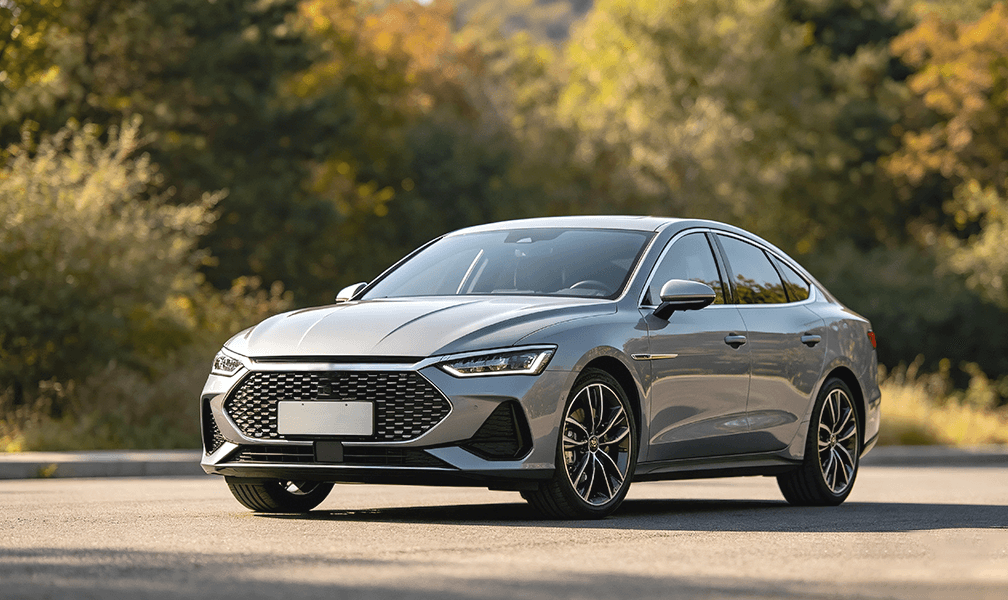
Conventional ICE Vehicles
The battery cranks the engine and supplies the starting, lighting, ignition, and electronic systems before the alternator takes over.
-
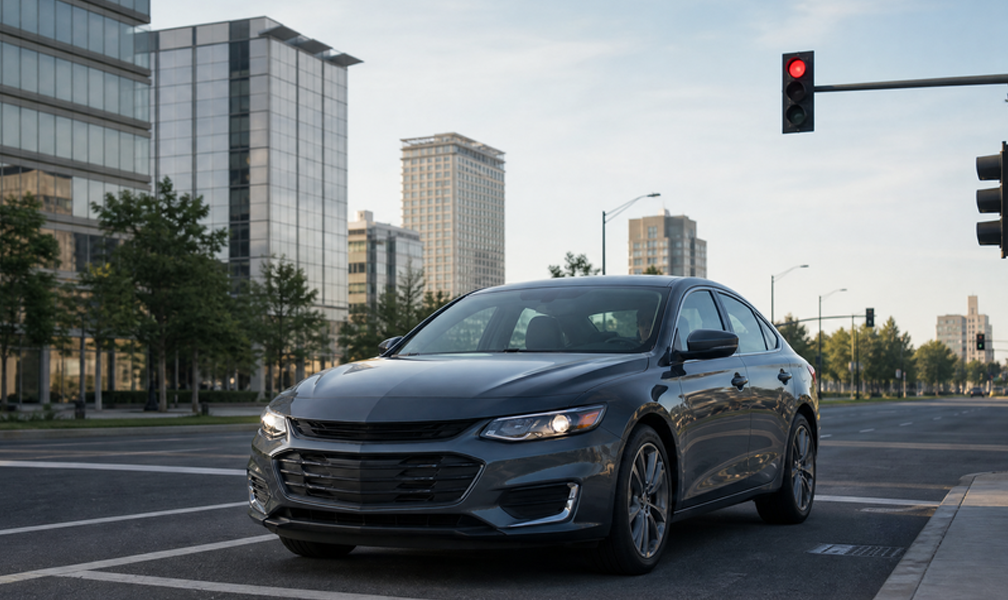
Start-Stop Vehicles
The battery repeatedly restarts the engine, supports onboard electrical loads while the engine is off and accepts energy during frequent recharge events.
-
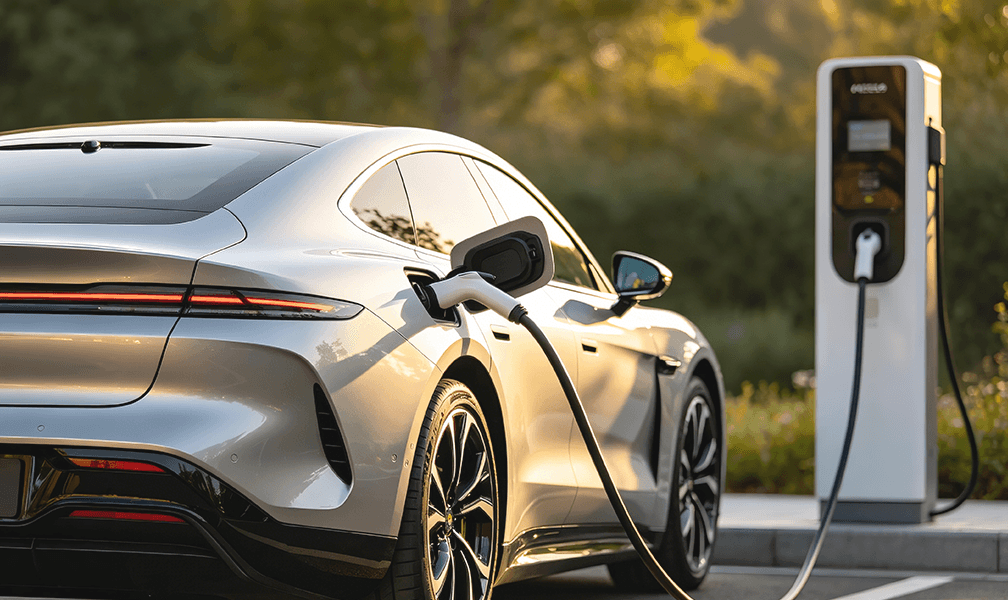
Hybrid & Plug-In Hybrid Vehicles
The low-voltage battery powers control units, safety systems, lighting and vehicle electronics while supporting system initialization and operation.
-
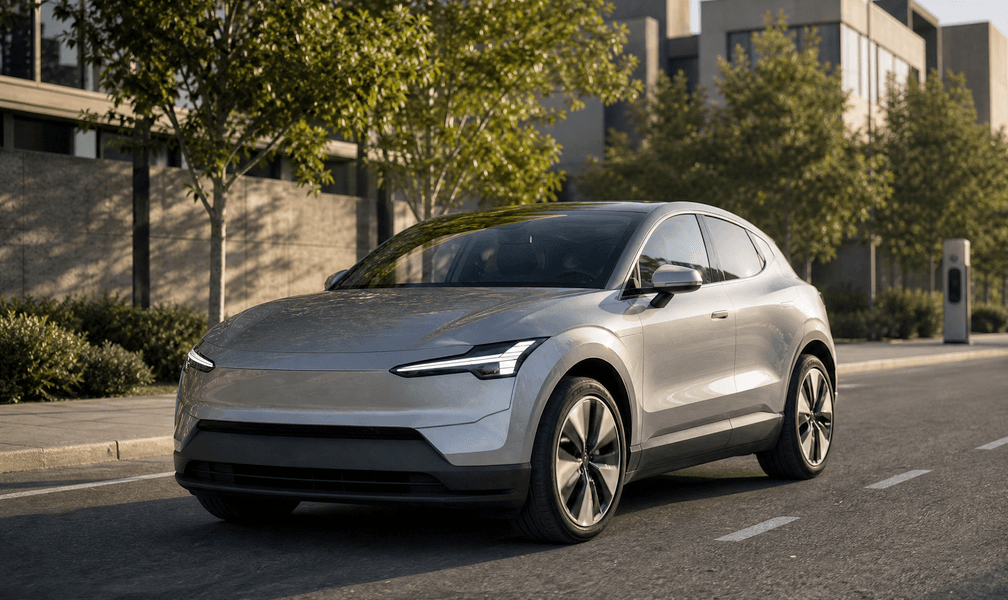
Battery-Electric Vehicles
Although the traction battery provides propulsion, the low-voltage battery wakes the vehicle, powers its control network and enables the sequence that brings the high-voltage system online.
-
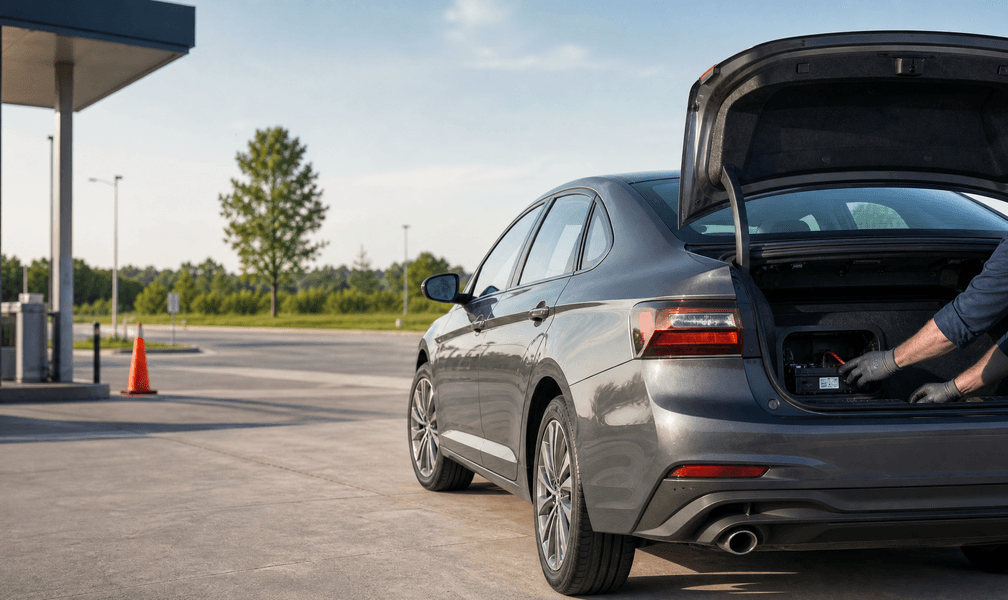
Auxiliary Battery Applications
In vehicle platforms equipped with a secondary battery, the auxiliary battery provides stable power for onboard electronics, infotainment, comfort features and other designated electrical systems, helping manage growing low-voltage demand.


FAQs

Looking for a Reliable Global Energy Partner?
Connect with our global team to design a custom energy solution for your next project.