








6 Key Microgrid Applications: How to Choose the Right Energy Storage Solution


Why Are Microgrids Becoming Important for Businesses?
Rising electricity costs, grid instability, and increasing energy demands are creating new challenges for commercial and industrial businesses. A power outage can interrupt critical operations, while high electricity prices and inefficient energy use can increase operating expenses.
Microgrids offer a flexible way to manage these challenges. By integrating energy storage, energy management systems (EMS), and other power sources, they help businesses improve energy reliability, optimize electricity consumption, and make better use of renewable energy.
But what can a microgrid actually do for your business? From emergency backup power to frequency regulation, here are six key microgrid applications and the energy storage capabilities required for each.
1. Emergency Backup Power: Keeping Critical Operations Running
For data centers, hospitals, telecom operators, and other critical infrastructure, even a short power interruption can affect essential operations and cause significant losses.
How does it work?
A microgrid integrates battery energy storage with backup power sources to maintain power availability when the main grid fails. With an optional SDS, the system can automatically switch to backup power mode in less than 20 milliseconds, helping protect critical loads from power interruptions.
Who needs it?
Data centers
Hospitals
Telecom operators
Critical infrastructure operators
What to consider when choosing a solution:
Automatic switching response time
Backup power capacity and critical load requirements
Coordination between the battery system and backup power sources
System monitoring and operational reliability
For mission-critical facilities, choosing a solution with appropriate switching capabilities and sufficient backup capacity is essential to maintaining business continuity.
2. Solar + Battery ESS: Making Better Use of Solar Energy
Commercial and industrial facilities with existing solar PV installations may face a mismatch between solar generation and electricity consumption. Solar power generation typically peaks around midday, while business electricity demand may be higher in the morning or evening.
How does it work?
A solar-plus-storage system stores surplus solar electricity during periods of high generation and releases it when energy demand increases. This helps businesses make better use of their solar power instead of relying entirely on electricity generated at the time of consumption.
Who needs it?
Commercial and industrial facilities with existing solar PV
Retail chains
Warehouse operators
What to consider when choosing a solution:
Solar generation and daily load profiles
Battery storage capacity
Charging and discharging power
Coordination between solar generation, battery storage, and electricity demand
By matching energy storage operation with actual consumption patterns, businesses can improve solar energy utilization and manage their electricity needs more flexibly.
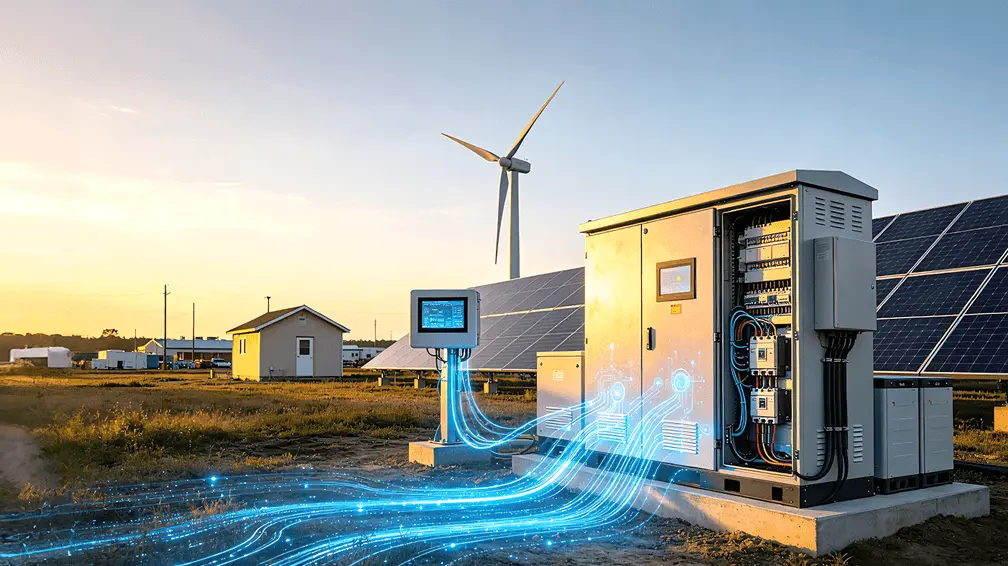
3. Demand Response: Turning Energy Flexibility into Revenue Opportunities
As power grids increasingly require flexible energy resources, businesses with energy storage systems can participate in demand response programs. However, without real-time monitoring and dispatch capabilities, it can be difficult to respond effectively to grid requirements.
How does it work?
An intelligent Energy Management System (EMS) enables real-time monitoring and remote dispatch of energy storage resources. Through standard communication interfaces and real-time control, the system can adjust charging and discharging according to operational requirements and grid signals.
This allows stored energy capacity to become a flexible resource that can support demand response, peak shaving, and related grid services, creating potential additional revenue opportunities.
Who needs it?
Energy service companies
Large enterprises
Energy storage project developers
What to consider when choosing a solution:
Real-time monitoring and remote dispatch capabilities
Communication protocol compatibility
EMS scheduling and control functions
Battery power and response capabilities
An intelligent EMS is particularly important for businesses looking to manage energy resources dynamically and participate in grid-related programs.
4. Peak Shaving: Reducing Electricity Costs During Peak Hours
Manufacturing plants, commercial buildings, shopping malls, and hotels often consume large amounts of electricity. When electricity prices or demand charges are high during peak periods, energy costs can become a significant operating expense.
How does it work?
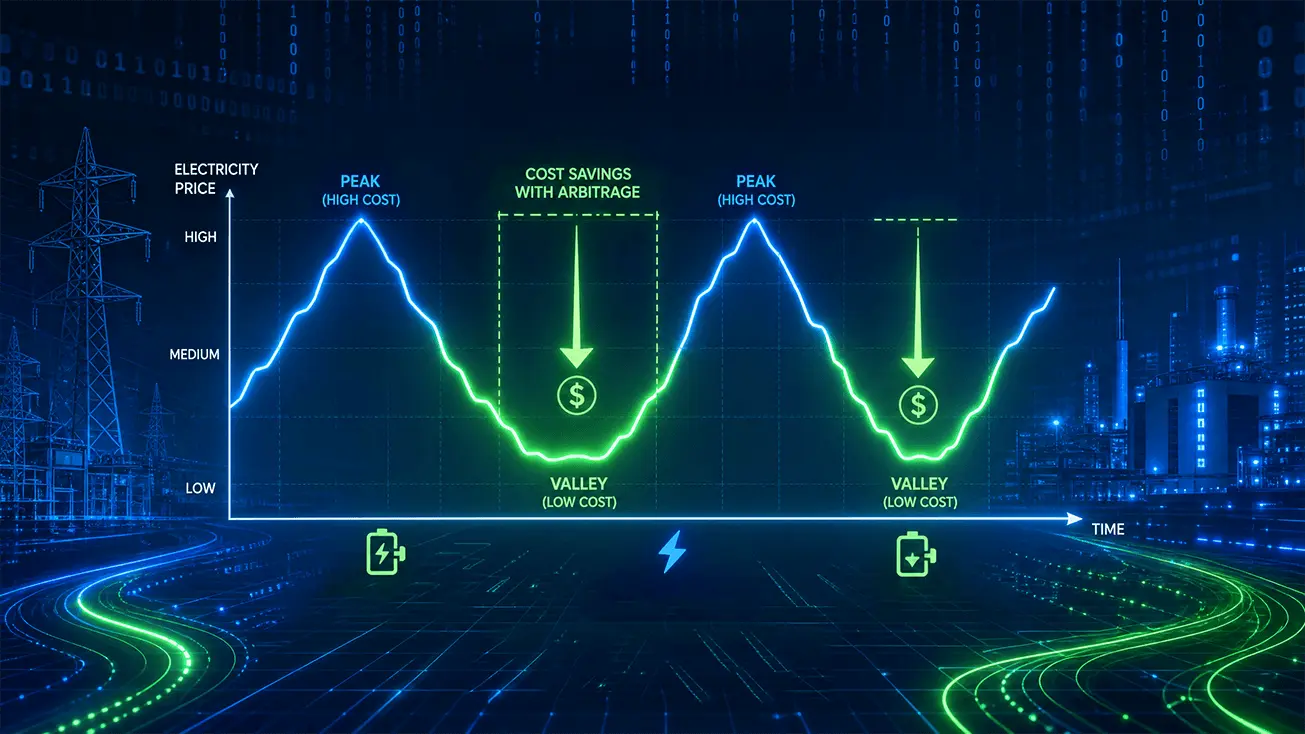
A battery energy storage system charges during off-peak hours when electricity prices are lower and discharges during peak hours when electricity costs are higher. This peak shaving and valley filling strategy helps reduce electricity expenses without requiring businesses to change their normal operating schedules.
Who needs it?
Manufacturing plants
Commercial buildings
Shopping malls
Hotels and hospitality venues
What to consider when choosing a solution:
Peak and off-peak electricity tariffs
Daily electricity consumption patterns
Battery charging and discharging power
Storage capacity and automatic energy scheduling
With intelligent energy management, businesses can optimize charging and discharging schedules according to electricity tariffs and load profiles, helping improve energy cost efficiency.
5. On/Off-Grid Hybrid Applications: Improving Energy Resilience and Grid Independence
Some facilities want to reduce their dependence on the public grid while maintaining a reliable electricity supply. This is particularly important for hospitals, universities, commercial buildings, and industrial parks where power interruptions can affect essential operations.
How does it work?
An on/off-grid hybrid microgrid supports both grid-connected and off-grid operation. Depending on grid conditions and system requirements, it can automatically switch between operating modes. With the specified system configuration, switching can take place in less than 20 milliseconds, helping maintain power continuity.
Who needs it?
Hospitals
Universities
Commercial buildings
Industrial parks
Facilities seeking greater energy independence
What to consider when choosing a solution:
Grid-connected and off-grid operating capabilities
Automatic switching response time
Critical load requirements during off-grid operation
Battery capacity and backup duration
The right configuration should be based on the facility's electricity demand, required backup duration, and local grid conditions.
6. Frequency Regulation: Supporting Grid Stability with Fast Energy Response
Electricity grids need to maintain a balance between power generation and consumption. When this balance changes, grid frequency can fluctuate. Traditional thermal power units may take several minutes to respond, creating a need for faster-responding resources.
How does it work?
Battery energy storage systems can respond rapidly to dispatch signals by adjusting their charging and discharging power. This helps support grid frequency regulation and provides an additional resource for grid stabilization.
Compared with conventional thermal generation, battery storage offers faster power response capabilities and can create opportunities for project developers to participate in grid ancillary service markets.
Who needs it?
Utilities
Transmission operators
Energy storage project developers
What to consider when choosing a solution:
Power response speed
Charging and discharging capabilities
Real-time EMS monitoring and control
System reliability and project revenue models
For frequency regulation projects, fast response and effective energy management are key considerations when selecting a battery energy storage solution.

How to Choose the Right Microgrid Energy Storage Solution?
Each microgrid application has different operational requirements. Before selecting an energy storage system, businesses should evaluate several key factors:
1. Identify Your Main Energy Challenge
Determine whether your priority is emergency backup power, electricity cost reduction, renewable energy utilization, grid independence, or participation in grid services.
2. Understand Your Energy Consumption Patterns
Analyze daily load profiles, peak demand periods, electricity tariffs, and renewable energy generation to determine how the storage system should operate.
3. Define Power and Capacity Requirements
Consider the required output power, storage capacity, backup duration, and expected charging and discharging cycles.
4. Evaluate Energy Management Capabilities
An intelligent EMS can support real-time monitoring, automatic scheduling, remote operation, and energy optimization. These capabilities are important for managing multiple energy sources and adapting to changing operating conditions.
LEOCH Commercial & Industrial Energy Storage Solutions
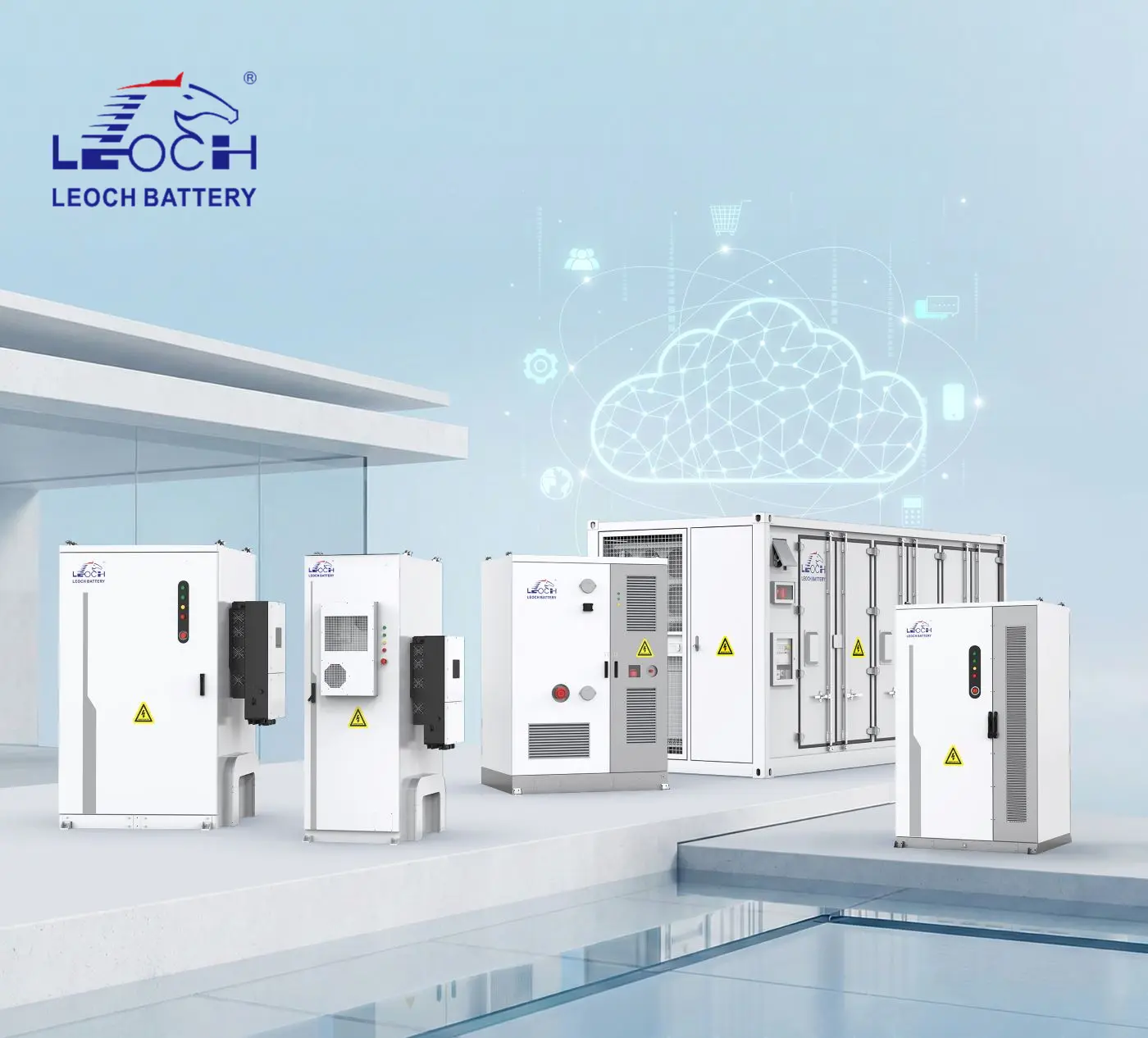
To support different commercial and industrial energy needs, LEOCH provides integrated C&I energy storage solutions featuring standardized, prefabricated cabinet designs. The integrated system combines battery clusters, PCS converters, BMS, intelligent fire protection, and temperature control modules. With compact installation, flexible single-unit operation, and multi-unit parallel networking, it can adapt to different facility scales and project requirements.
LEOCH's C&I ESS supports applications including peak shaving and valley filling, electricity price arbitrage, demand limit control, emergency power backup, power quality optimization, and grid demand response. Its intelligent EMS also enables automatic charging and discharging based on electricity tariffs and load profiles, alongside real-time monitoring, remote operation and maintenance, and demand response management.
Whether your project focuses on reducing electricity costs, improving power reliability, or optimizing energy use, selecting the right system configuration is essential.
Explore LEOCH Commercial & Industrial Energy Storage Solutions to find an energy storage solution for your project.
Conclusion: One Microgrid, Multiple Energy Applications
Microgrids are more than backup power systems. They can help businesses manage electricity costs, improve renewable energy utilization, respond to grid requirements, and strengthen power reliability.
From emergency backup power and solar-plus-storage to peak shaving and frequency regulation, each application addresses a different energy challenge. By understanding your operational needs and choosing an appropriately configured energy storage system, your business can make better use of energy resources and build a more flexible, resilient energy infrastructure.





Looking for a Reliable Global Energy Partner?
Connect with our global team to design a custom energy solution for your next project.