








Nigeria Energy 2026: How LEOCH Addresses West Africa's Energy Needs


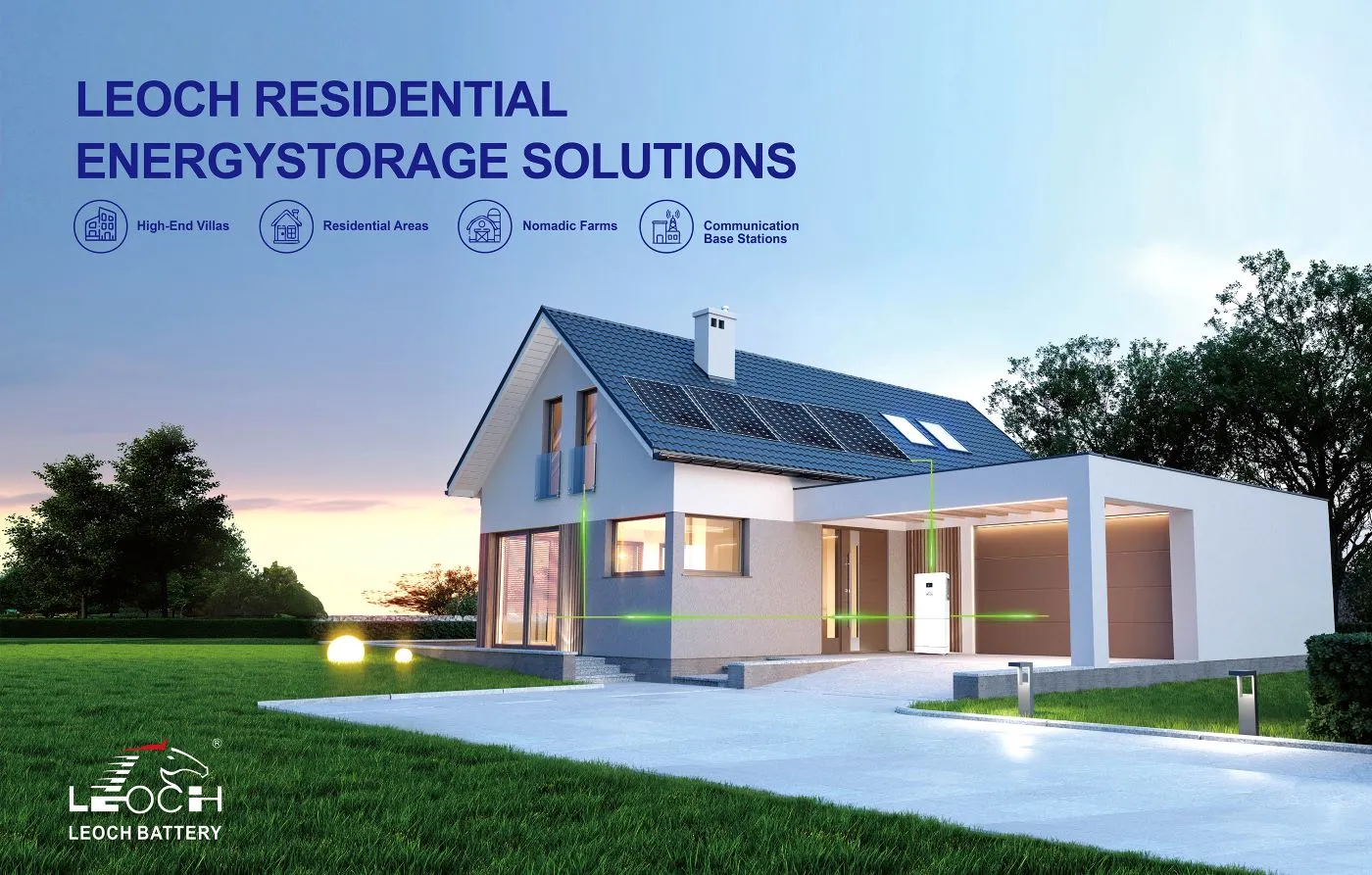
For households across Nigeria and the wider West African region, reliable electricity remains an important consideration in everyday life. Power interruptions and the need for dependable backup solutions have encouraged households to explore alternative ways to manage their energy needs. As solar energy creates new opportunities for residential power generation, home energy storage offers a practical way to store electricity for later use and support backup power when the grid is unavailable.
Choosing the right battery system depends on household consumption, installation conditions and the intended application. Flexible residential energy storage solutions can help address these varying requirements while supporting the wider adoption of solar energy.
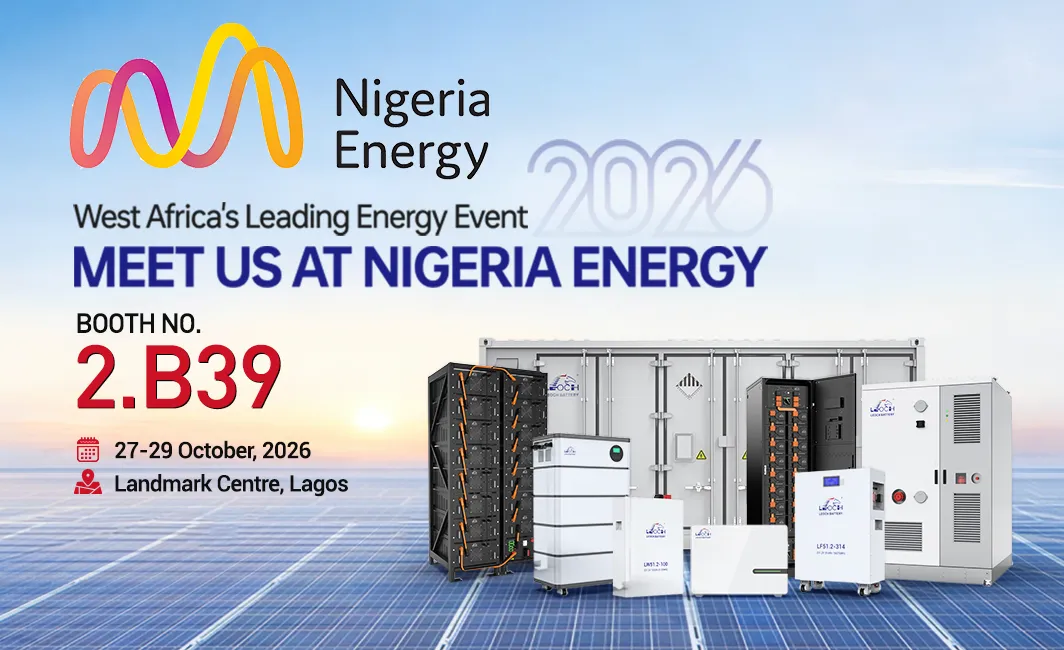
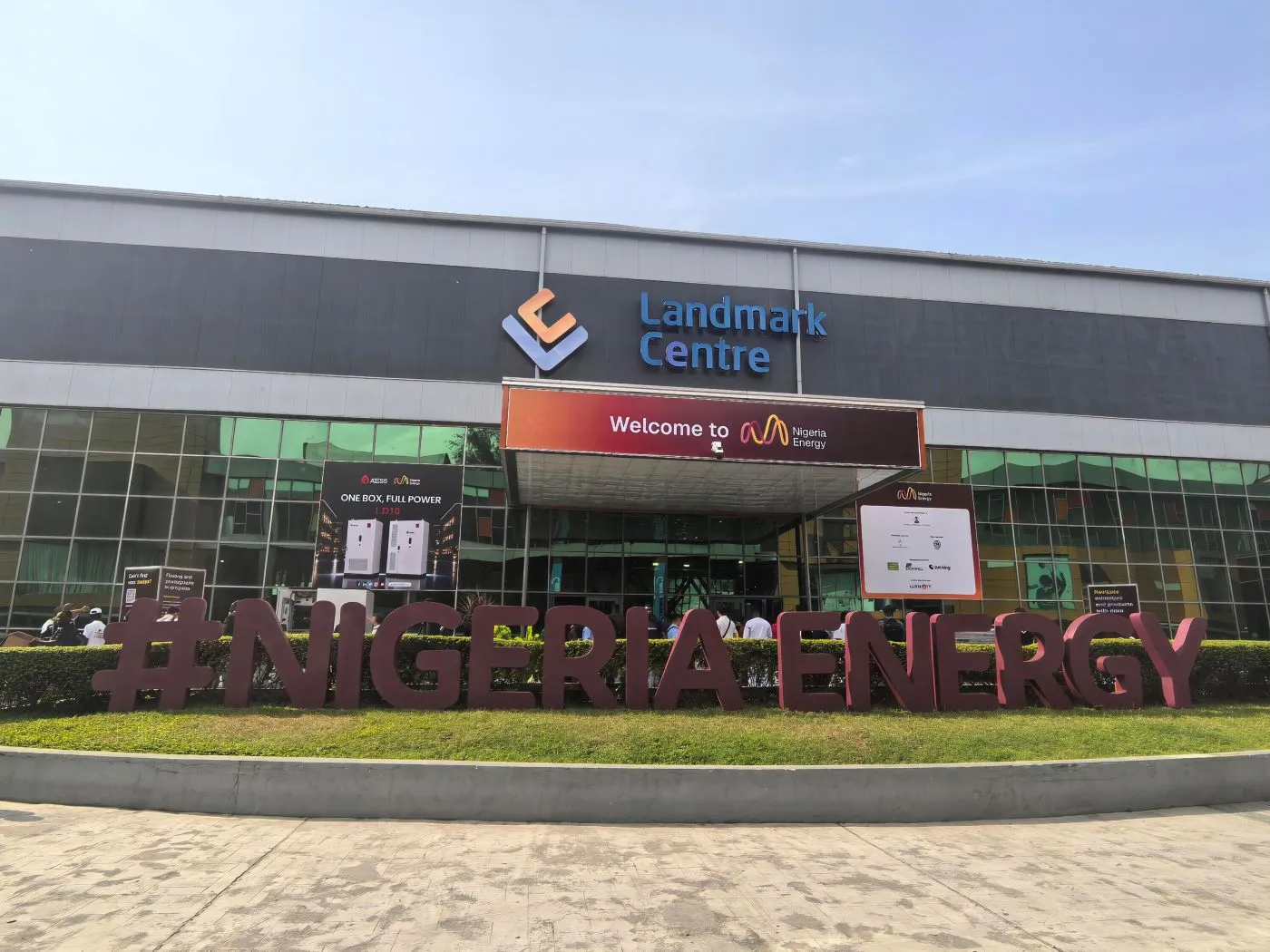
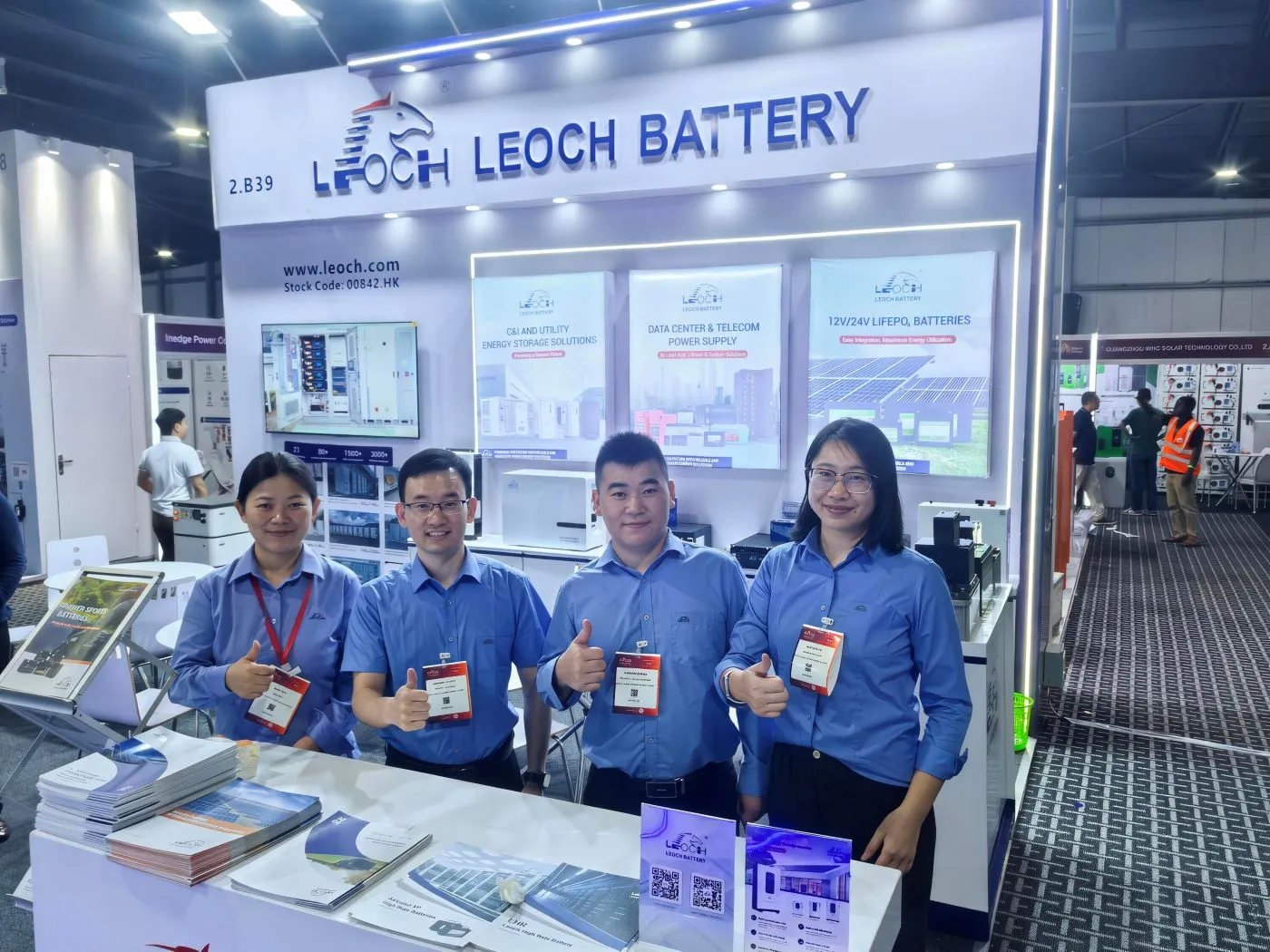
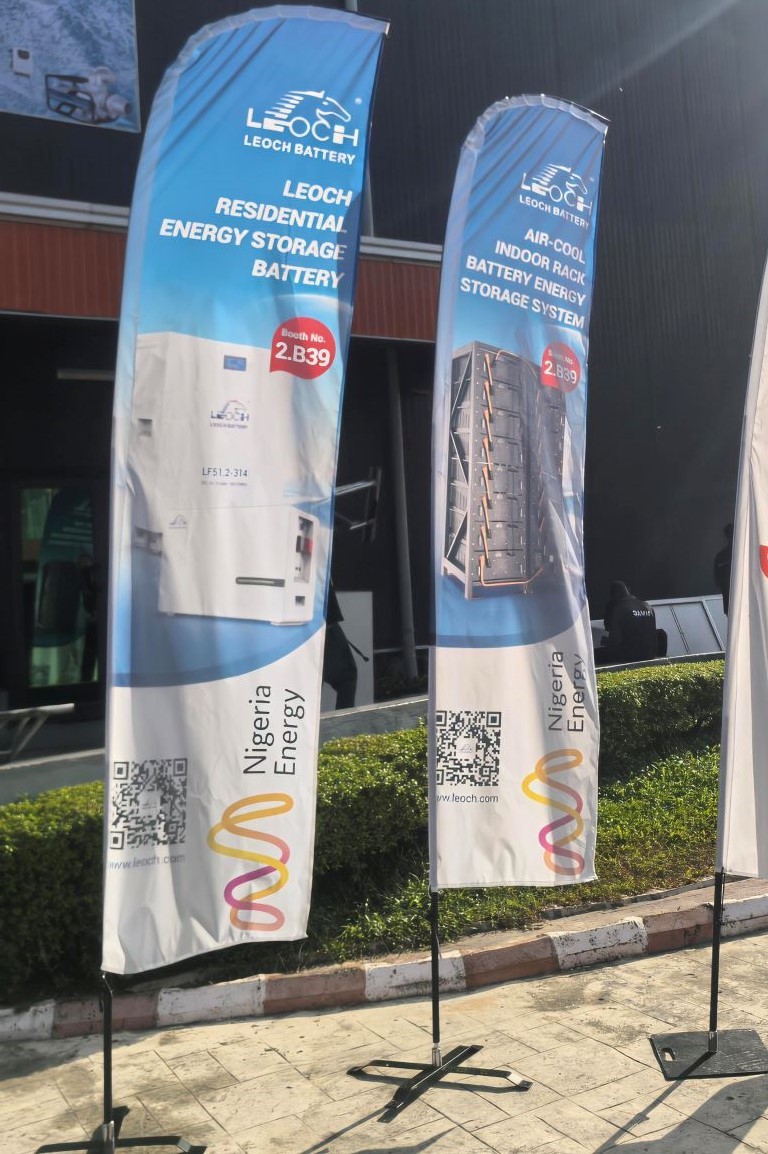
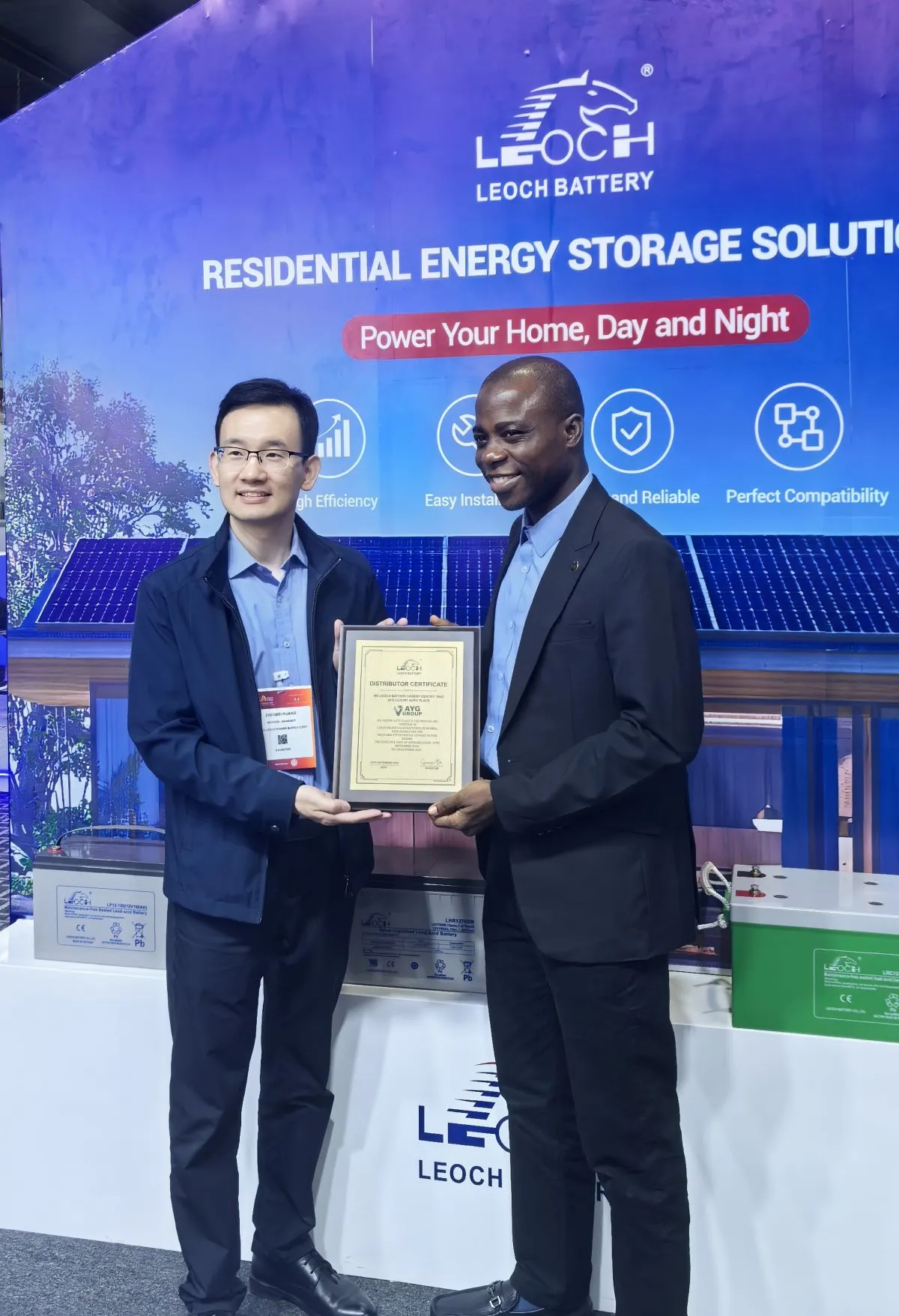
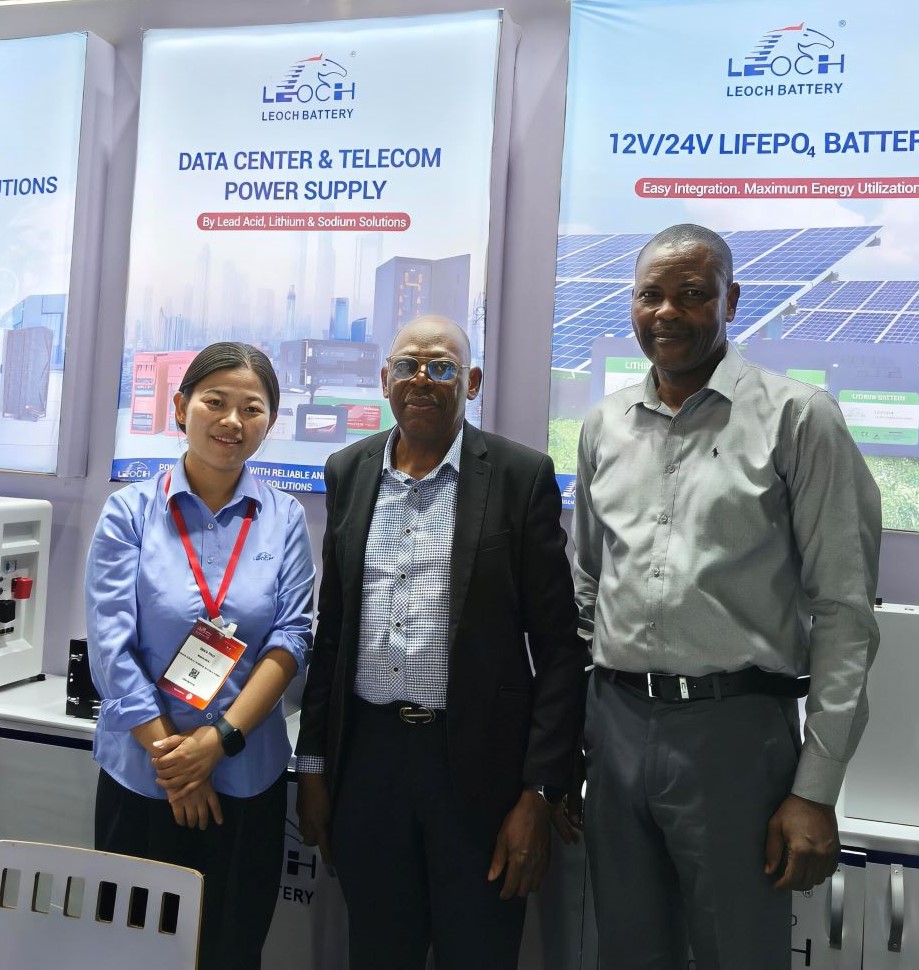
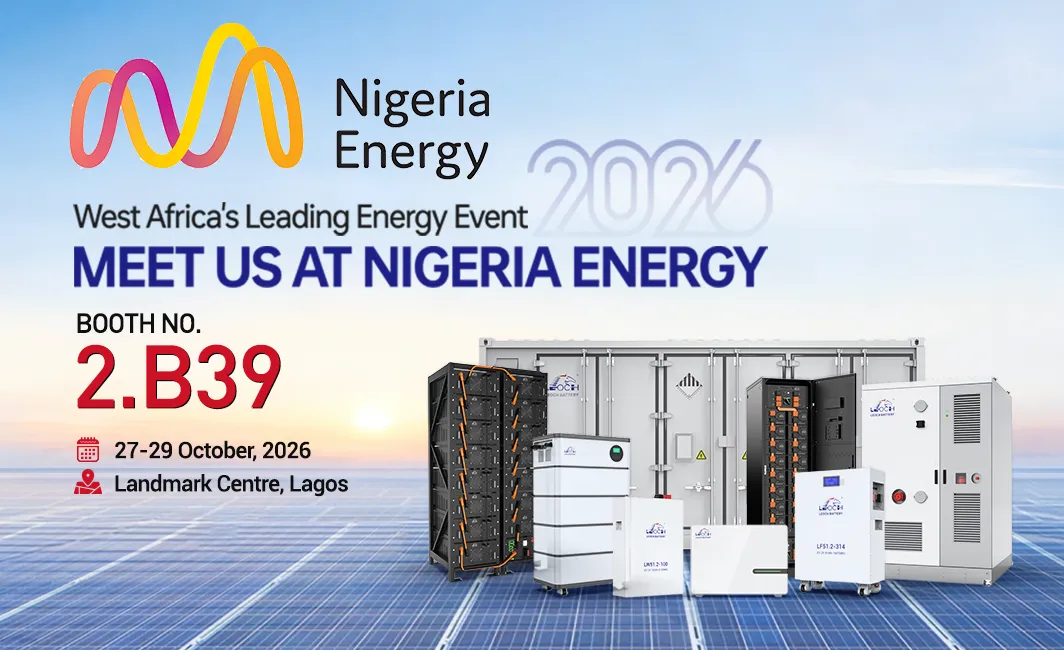
Against this backdrop, LEOCH participated in Nigeria Energy 2026, held from October 27 to 29 at the Landmark Centre in Lagos, Nigeria. At Booth 2.B39, LEOCH presented its residential energy storage portfolio alongside battery solutions for telecom and other backup power applications, reflecting the diverse energy requirements of the Nigerian and West African markets.
LEOCH Home Energy Storage Solutions for Different Household Needs
Home energy storage is not a one-size-fits-all application. A household seeking backup for essential appliances may have different requirements from a larger property looking to store more solar energy or build a more flexible residential power system.
Wall-Mounted Batteries: Making the Most of Available Space
For households where installation space is a consideration, wall-mounted batteries offer a compact alternative to floor-based installations. Their space-saving design makes them suitable for locations such as utility rooms and other appropriate installation areas.
LEOCH residential wall-mounted batteries use lithium iron phosphate (LiFePO₄) technology and are designed for household energy storage and solar backup applications. Their format provides an option for homeowners and installers seeking to incorporate battery storage without allocating additional floor space to the battery unit.
Rack-Mounted Batteries: A Structured Approach to Energy Storage
Some households require a larger storage capacity to accommodate their electricity consumption and backup requirements. Floor-standing batteries provide an alternative for these applications, with an integrated cabinet design that can be placed on a suitable floor area without requiring wall mounting or a standard rack.
LEOCH floor-standing residential batteries are available in multiple capacity options, including 15.36 kWh, 20.48 kWh and 30.72 kWh models. Multiple units can also be connected in parallel where supported by the system design, allowing larger storage configurations to be considered.
This format is particularly relevant for larger homes and other suitable installations where capacity requirements and available installation space need to be considered together.
Floor-Standing Batteries: For Higher-Capacity Residential Applications
Some households require a larger storage capacity to accommodate their electricity consumption and backup requirements. Floor-standing batteries provide an alternative for these applications, with an integrated cabinet design that can be placed on a suitable floor area without requiring wall mounting or a standard rack.
LEOCH floor-standing residential batteries are available in multiple capacity options, including 15.36 kWh, 20.48 kWh and 30.72 kWh models. Multiple units can also be connected in parallel where supported by the system design, allowing larger storage configurations to be considered.
This format is particularly relevant for larger homes and other suitable installations where capacity requirements and available installation space need to be considered together.
Stackable Batteries: Flexible Capacity Configurations
Energy requirements can vary significantly between households, making configuration flexibility an important consideration. Stackable battery systems use a modular structure that allows capacity to be configured by combining battery modules, subject to the supported system design.
LEOCH residential stackable batteries provide an option for applications requiring a modular installation. Rather than relying on a single fixed-capacity format, users and installers can consider a configuration that aligns with the intended energy storage requirements.
For households planning a new solar storage system, or installations where capacity requirements may change, this modular approach offers additional flexibility in system planning.
All-in-One Systems: Integrating Battery Storage and Inverter Functions
For applications where system integration is a priority, an all-in-one energy storage system combines battery storage with an inverter in one integrated solution. This design can simplify equipment configuration by bringing key system components together in a single cabinet.
LEOCH's residential low-voltage stackable all-in-one system integrates LiFePO₄ battery cells, a hybrid inverter and an intelligent battery management system. Its modular design supports capacity expansion within the product's specified configuration, offering an option for residential solar storage and off-grid backup applications.
By combining battery and inverter functions, the all-in-one format provides an alternative for users seeking an integrated approach to residential energy storage.
Across its residential portfolio, LEOCH uses LiFePO₄ battery technology and offers different system formats to address varying installation conditions and energy requirements. Selecting an appropriate solution involves considering household loads, desired backup duration, available space and inverter compatibility. For a more detailed overview of these factors, read What Determines the Cost of a Home Battery Storage System.
Backup Power Beyond the Home
While residential energy storage is an important part of the energy transition, reliable backup power is also essential for communication networks and other critical equipment. These applications have their own requirements for battery configuration, operating conditions and system integration.
At Nigeria Energy 2026, LEOCH also presented battery solutions for telecom and UPS backup applications, including 48V intelligent lithium batteries and the LRC, LHR and LP lead-acid battery series.
Telecom Backup Power Solutions
Reliable backup power is essential for telecom networks and other critical infrastructure. At Nigeria Energy 2026, LEOCH showcased a range of battery solutions for different backup power requirements.
The 48V Telecom Lithium Battery series features LiFePO₄ technology, an intelligent BMS and remote monitoring capabilities for telecom backup applications. For lead-acid solutions, the LP Series provides general-purpose standby power, the LRC Series uses lead-carbon technology for deep-cycle applications, and the LHR/LHRF Series is designed for high-rate discharge requirements.
Together, these product ranges address different backup power needs across communication networks, UPS systems and other critical applications.
Considering Lead-Acid-to-Lithium Battery Replacement
For suitable existing systems, switching from lead-acid to lithium batteries may offer benefits in weight, energy density and maintenance requirements. LEOCH's 12V/24V LiFePO₄ batteries feature an intelligent BMS and are designed for applications including RVs & Camping energy storage.
Before replacing an existing battery, users should assess system voltage, charging compatibility, installation conditions and operating requirements to ensure the lithium solution is suitable for the application.
Portable Energy Storage for Additional Applications
Alongside residential and backup power solutions, portable energy storage can serve more flexible power needs in suitable applications. It offers another option within the broader energy storage landscape, complementing stationary systems designed for homes and critical infrastructure.
Together, these solutions reflect the range of battery applications relevant to households, businesses and energy professionals across the region.
Continuing the Energy Conversation Beyond Nigeria Energy 2026
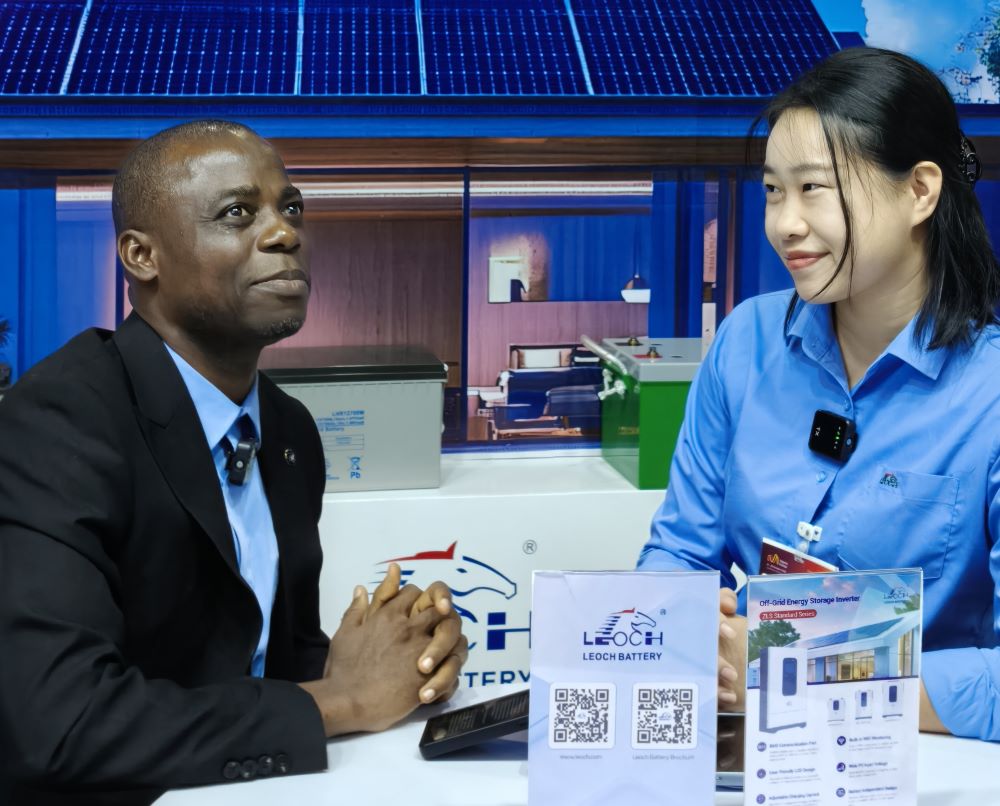
Nigeria Energy 2026 provided an opportunity for LEOCH to present its residential energy storage portfolio alongside telecom backup and other battery solutions. As energy requirements continue to evolve across Nigeria and West Africa, selecting the right system starts with understanding the application, installation environment and intended use.
From wall-mounted and rack-mounted batteries to floor-standing, stackable and all-in-one systems, LEOCH offers a range of residential energy storage options for different household requirements.
Explore LEOCH Residential Energy Storage Solutions to learn more about the product portfolio and identify solutions for your next project.




Looking for a Reliable Global Energy Partner?
Connect with our global team to design a custom energy solution for your next project.